
Maximise ROI & Strengthen Retail Operations with Integrated EPOS Software

In a rapidly evolving retail landscape, operational efficiency, real-time insights, and customer loyalty are essential to long-term success. To stay competitive, retailers must adopt tools that do more than process sales; they need intelligent systems that unify operations, optimise workflows, and protect financial data. This is where integrated EPOS software plays a critical role. At Eurostop, our retail EPOS software is built to deliver measurable gains in performance, profitability, and customer satisfaction. 1. Accurate Inventory Control to Lower Losses Effective inventory control is a cornerstone of retail profitability. Overstocking wastes capital and storage space, while stockouts result in missed sales and dissatisfied customers. Eurostop’s integrated EPOS software provides real-time inventory and cover visibility, recommended purchase orders, and seamless supplier integration. This enables businesses to maintain ideal stock levels and minimise costly errors. ROI Impact: Reduce holding and warehousing costs by managing optimal inventory. Prevent lost sales due to unavailable or excess stock. Order and merchandise intelligently with accurate data insights. Reduce shrinkage with accurate inventory tracking and visibility. 2. Using Smart Sales Analytics to Increase Revenue Modern retailers must base decisions on real data, not guesswork. Eurostop’s EPOS software includes advanced sales analytics that provide insights into customer behaviour, product and variant performance, seasonal trends, and more. With these tools, retailers can refine pricing strategies, adjust stock levels, and personalise promotions to maximise profitability. ROI Impact: Identify high-performing products, size or colour variants and adjust pricing accordingly. Increase revenue through upsell and cross-sell recommendations. Align staffing schedules with sales demand to improve efficiency. 3. Improving Client Retention and Loyalty Customer loyalty is critical in today’s market, where competition is high and acquisition costs continue to rise. Our EPOS software enables data-driven customer engagement through loyalty programmes, purchase tracking, and targeted marketing campaigns. Retailers can deliver personalised experiences that build stronger relationships and increase lifetime customer value. ROI Impact: Boost repeat purchases with custom rewards and incentives. Deliver personalised promotions based on shopping history. Improve brand loyalty through consistent customer experiences. 4. Simplified Payment Procedures for Quicker Deals A slow or inconvenient checkout process can lead to lost sales. Eurostop’s integrated EPOS software supports contactless cards, mobile wallets, and online payments, giving customers flexible and convenient payment options as well as reducing wait times. It also ensures that every transaction is processed securely and quickly, improving satisfaction and reducing abandonment. ROI Impact: Increase conversion rates with faster, smoother transactions. Improve cash flow through accelerated payment settlements. Reduce gateway fees by selecting cost-effective processing options. 5. Financial Security through Fraud Prevention and Compliance Retailers are increasingly targeted by cyber threats and internal fraud. Eurostop’s EPOS software includes robust security features like access controls, end-to-end encryptionand full compliance with industry standards. This helps protect customer data, reduce financial risk, and safeguard business continuity. ROI Impact: Mitigate losses from unauthorised discounts and employee fraud. Avoid fines and reputational damage with built-in compliance features. Strengthen customer trust with secure, reliable transaction handling. Conclusion: A Smarter Investment in Retail Growth with Eurostop Choosing the right retail EPOS software is an investment in operational excellence, customer loyalty, and financial performance. Eurostop’s integrated EPOS solutions unify inventory, sales, marketing, and security functions into one powerful platform, giving retailers the insight and agility needed to succeed in today’s omnichannel world. Whether you’re an independent or scaling across multiple locations, Eurostop helps you streamline processes, increase margins, and future-proof your business. Contact us online today or call +44 (0) 20 8991 2700.
Why EPOS Software Is Essential for Retail Success

In today’s fast-moving retail environments, traditional point-of-sale systems no longer suffice. To meet growing customer expectations and streamline operations, businesses are turning to modern EPOS software, a centralised, intelligent solution that drives efficiency, profitability, and security. 1. Multichannel Integration As consumers increasingly want to shop across physical and digital platforms without perceivable boundaries, seamless multichannel integration is non-negotiable. Advanced EPOS software links in-store sales with e-commerce platforms, enabling unified stock management, order fulfilment, and consistent customer experiences across all touchpoints. Retail businesses can handle online, pickup, and third-party orders in real time, ensuring operational clarity and reducing order confusion. 2. Enhanced Security With growing concerns over data breaches and payment fraud, security is a top priority. Today’s EPOS software includes end-to-end encryption, secure payment gateways, and features that allow you to comply with data protection legislation. Businesses can rest assured that sensitive customer data and transaction details are protected. Given the regulatory scrutiny and reputational risks associated with cyber incidents, robust EPOS security is a strategic imperative. 3. Streamlined Operations EPOS software consolidates multiple functions into one intuitive system. By automating manual processes, businesses reduce errors and improve speed. Retailers benefit from real-time inventory tracking and automated stock alerts, helping maintain optimal inventory levels. 4. Enhanced Customer Experience A smooth customer journey is vital for brand loyalty. EPOS systems improve service delivery with faster checkouts, mobile payment options, and tailored loyalty programmes. Retailers can personalise promotions using customer data captured at the point of sale. 5. Improved Accuracy and Efficiency Manual data entry and fragmented systems often lead to mistakes, staff frustration, increased workload and ultimately cost . EPOS software significantly reduces such risks and operating costs by synchronising data across systems and departments. Real-time updates on sales, inventory, and customer activity ensure consistent, accurate reporting. This allows staff to focus on customer service, not administrative errors. 6. Data-Driven Insights Today’s EPOS software offers rich analytics that help businesses identify trends, measure performance, and make informed decisions. From peak trading hours to product popularity, this data empowers businesses to optimise marketing, staffing, and product selection strategies. Better insights lead to better outcomes. 7. Inventory Management Effective inventory control is essential to reduce losses and maximise profit. EPOS software tracks product movements across locations, enabling efficient stock replenishment and waste reduction. For retail, it ensures shelves are always stocked with customer favourites. Why Eurostop? Eurostop’s EPOS software is engineered for the complex demands of modern retail. With integrated multichannel functionality, advanced security protocols, and powerful reporting tools, Eurostop delivers a complete solution for scalable, data-driven growth. Contact us online today or call +44 (0) 20 8991 2700.
Dopamine in Retail: Engagement Strategies

Promotional Dopamine Highs As a retailer, your key objective is to generate sales and profitability, while of course keeping your customers happy and highly engaged with your brand. Anything that can be employed as part of your retail toolkit for increasing sales should be harnessed for sure. Retail promotions are one of those all important tools; but did you know that there is actually scientific evidence for why we as shoppers find that we just can’t resist purchasing when a promotion is involved? You’ve heard of a ‘runner’s high’, well it has been shown that both the anticipation and receiving an unexpected reward, such as a retail promotion, releases one of the body’s four other feel good hormones – dopamine. Otherwise known as the rewarding chemical, this happiness hormone is a powerful chemical messenger in the brain. The release affects how we feel and behave. In the case of dopamine, exclusive or time sensitive promotions can create a sense impulsiveness’ , motivating a shopper to make that all important purchase. So as a retailer, promotions have to be a powerful component of your retail arsenal to consider. What better way to encourage new and repeat sales than by using one of the body’s natural chemicals and responses to generate excitement and a sense of urgency to purchase! The Techy Bit So now we know a bit about the science behind the strategy that can fuel your profits, the challenge is successfully managing such promotional campaigns across your business. Promotions have advanced over the years and today they can be complex, especially when you are also using personalised promotions (which by the way, further heighten the emotional trigger and anticipation to motivate shoppers to make repeat purchases). In 2025, the digital outreach of social media and email marketing channels provides far reaching opportunities to keep customers informed about current events in store, new product lines, trending products, benefits and seasonal promotions. With the many events scattered throughout the calendar year, there is no shortage of opportunity to remain relevant and competitive with special offers or the like. But throw into the mix unexpected world events or just the unpredictable British weather, you have a plethora of situations where you may want to react quickly with a new promotion or adjust an existing one to remain relevant and competitive. Of course, in a multichannel and social world, creating and processing retail promotions seamlessly and quickly across both your brick and mortar locations, online channels and market places can be both a time consuming and daunting task. In addition being able to respond and react to resulting promotional traction can be of great benefit. Well, the good news is that having the right connected technology stack in place facilitates this process for you. From setup, automated scheduling, application of promotions to specific product lines, locations and channels, the right technology allows control at the push, or ‘click’ of a button (well, maybe a few). In addition, recording sales against promotional activity closes the loop allowing you to later analyse the effectiveness of your applied strategies. Unified Retail Promotions Eurostop’s Unified Commerce solution allows you to do all of the above and includes a multitude of promotional types, such as Buy one, get one free Two for the price of one Buy one get second for percentage off Buy a specified combination of items, receive a gift or free product Three for two, four for three etc. Money off Product range at same price or flat rate Basket promotion or spend and save threshold offer Tiered promotion or graduated spend and save incentive. But our Promotions engine is powerful and the options don’t end there. You can either use the Wizard to guide you through the process or setup the promotion yourself, with fine control of promotional criteria available to open a multitude of potential promotional types. The technology will allow you to manage and implement your promotional strategy with ease across the business. Analyse Promotional Performance The unified commerce system allows you to view the impact of your promotional campaigns and adjust your strategy accordingly. If you would like to find out more about how Eurostop’s Promotions module can assist you, please get in touch and speak to one of our retail experts who will be happy to discuss your needs and demonstrate how we can keep both you and your customers extremely happy.
5 Ways an EPOS System Helps Retailers Streamline Operations

Retailers today operate in a fast-paced, competitive landscape where margins are tight,customer expectations are high and additional challenges such as supply chain issues are in play. A reliable EPOS system is more than just a digital till—it’s a central hub for managing daily operations, improving efficiency, and enhancing the customer experience. Eurostop’s EPOS system is designed specifically for the evolving needs of retail. It offers robust tools for stock management, transaction accuracy, and customer engagement. Below are five key areas where a well-implemented EPOS system can deliver measurable business benefits. 1. Inventory Control Managing stock manually is time-consuming,often inaccurate and impractical especially when managing multiple sales channels.. With Eurostop’s EPOS system, inventory levels are updated in real-time, providing full visibility across locations. This reduces the risk of over-ordering, understocking, or missing popular items during peak demand. With accurate sales and stock data, our recommended PO feature uses sales trends and stock data to propose recommended supplier purchase orders, helping merchandisers to make faster, data-driven decisions for better store replenishment. The result is fewer stockouts, better cash flow, and more satisfied customers. 2. Theft Prevention Theft, both internal and external, remains a significant concern in retail. Eurostop’s EPOS system enhances security by increasing transparency at the till and across inventory systems. Features like blind cash drops, restricted till access, and transaction audit trails discourage misconduct and help spot irregularities quickly. By making staff accountable for each transaction and stock movement, retailers can drastically reduce shrinkage and improve trust within the business. In addition, the bva 3. Manage and Monitors Promotions Retailers invest heavily in promotional campaigns. These can be complex and retailers need the right technology to ensure that valid promotions are updated both accurately and in a timely manner throughout their EPOS estate. Eurostop’s technology stack offers easy wizard setup of promotions, which can be scheduled for synchronisation to the POS units. Promotions are then applied automatically optimising customer checkout. Eurostop’s POS can even identify additional promotions that may be available to your customers for upselling or cross selling opportunities facilitating ultimate customer service. As with all campaigns, it’s vital to review and analyse the effectiveness post implementation to ensure that you are able to get the most out of any future promotions. Without proper tracking, it’s difficult to know what’s effective. Eurostop’s EPOS system provides real-time insights into promotional performance, such as sales uplift, margin impact, and sell-through rates, allowing Head Office to assess success and adjust strategies accordingly. These insights ensure you’re not discounting unnecessarily and that your offers genuinely contribute to profit, not just volume. 4. Creates Loyal Customers It’s well known that customer retention is more cost-effective than new acquisition. Eurostop’s EPOS system allows retailers to create and manage personalised loyalty schemes that reward frequent shoppers, building relationships for ongoing purchases. From digital vouchers and exclusive offers to point-based incentives, our POS and single view of customer data and preferences in conjunction with loyalty tools help turn one-time buyers into repeat customers. You can segment offers based on purchase history, issue coupons at checkout, and even send reminders via email or SMS to re-engage lapsed customers—all contributing to stronger customer relationships and predictable revenue streams. 5. Improves Accuracy Manual entry systems are prone to pricing errors, missed discounts, and inconsistent tax application. If you are trading in the EU, then fizcalisation becomes an important requirement and it vital to work with a reputable vendor who is able to provide fiscally compliant systems that stand up to rigorous audit process. Our EPOS system eliminates these risks by automating pricing and applying predefined rules at checkout. Whether it’s standard items or promotional bundles, your pricing remains accurate and consistent, protecting margins and improving customer trust. This also speeds up training for new staff, as intuitive interfaces and guided processes reduce onboarding time and error rates. Contact us for innovative retail EPOS systems Learn more about our EPOS systems and other retail solutions by contacting us online today or calling +44 (0) 20 8991 2700.
How to Choose the Right Retail EPOS System

Choosing the right retail EPOS system is one of the most important technology decisions a retailer can make. A modern EPOS solution does more than process sales—it helps manage inventory, improve customer service, and provide valuable insights to grow your business. In contrast, traditional POS systems often fall short, lacking mobility, integration, and real-time data, which can lead to inefficiencies and lost revenue. At Eurostop, we understand that each retailer has unique needs. That’s why our retail EPOS system is designed for flexibility. 6 Things to Consider When Choosing a Retail EPOS System Core Features Look for essential functions such as transaction processing, real-time stock management, employee tracking, CRM, and analytics. These features support everyday operations and help retailers make informed decisions. Cost Structure Understand the total cost of ownership, including hardware, software, training, support, and ongoing fees. A good EPOS system should deliver long-term value by reducing errors, saving time, and boosting sales. Scalability Your EPOS system should support your growth. Whether you plan to expand to multiple locations or increase product lines, ensure your system can adapt without major disruptions or extra investment. Integration A strong retail EPOS system should integrate seamlessly with your existing tools—such as e-commerce platforms, CRM systems, and accounting software—to create a unified, efficient workflow. Ease of Use The system should be intuitive and easy to learn. A user-friendly interface minimises training time and helps staff operate efficiently from day one. Customer Support Reliable technical support is essential. Choose a provider that offers responsive assistance, training materials, and clear guidance to keep your operations running smoothly. 10 Questions to Ask Before Selecting a POS System Can it handle your daily transaction volume? Does it support both in-store and online sales? Is it user-friendly for staff? Can it scale with your business growth? Does it offer real-time inventory and PO generation? How does it handle data security and compliance? Can it integrate with your current software tools? What support and training are included? Are analytics and reports robust and actionable? What are the full costs—upfront and ongoing? Why Choose Eurostop? Eurostop’s retail EPOS system is designed for modern retailers seeking flexibility, insight, and performance. Our solution supports real-time data, intelligent stock control, and seamless integrations with your existing tools. In addition, it also assists you to remain compliant with the GDPR or applicable Fiscalisation requirements.With our UK-based support team and scalable platform, we help retailers stay competitive in a fast-moving market. Learn more about our retail solutions by contacting us online today or calling +44 (0) 20 8991 2700.
How to Effectively Train Staff on a New EPOS System
Rolling out a new EPOS system can transform your retail operation—streamlining transactions, improving accuracy, and enabling data-led decision-making. But the success of any electronic point of sale technology hinges on your team’s ability to use it confidently. Without effective EPOS training, even the best retail technology can lead to mistakes, delays, and frustrated customers. Here, Eurostop has collected essential insights to ensure your staff is fully prepared from day one. Start with an Introduction and the Basics Begin with a clear explanation of the EPOS system’s purpose and benefits. Help staff understand how the solution enhances their workflow and the customer experience. Introduce them to key functions like system navigation, order entry, and processing transactions. Familiarity with the layout and core commands builds early confidence and reduces onboarding friction when implementing new retail EPOS solutions. Prioritise Hands-on Training Hands-on experience is essential for successful EPOS implementation. Create simulations that replicate real transaction scenarios like processing payments, handling promotions, returns, and customer queries. Encourage staff to role-play common situations, alternating roles between customer and operator. Allow time for self-directed exploration of the interface. These practical exercises help staff develop confidence and muscle memory before going live with your new point of sale technology. Balance Group Training with One-on-One Support Group sessions foster team learning, allowing staff to ask questions and learn from each other’s experiences. Simultaneously, offer individual sessions to support varying skill levels. Some employees may need targeted help with specific EPOS functions, while others may benefit from a more accelerated approach. Balancing both methods ensures comprehensive coverage and prevents knowledge gaps during the critical training period. Create Accessible Resources and Ongoing Support EPOS training doesn’t end with the initial rollout. Provide quick-reference guides and digital resources that staff can consult during shifts. These materials should be concise and easy to navigate, covering key tasks and troubleshooting steps. Ensure ongoing assistance is available, either through a dedicated internal team member or your EPOS vendor, to resolve questions quickly and maintain operational efficiency. Review, Reinforce, and Stay Current Conduct follow-up sessions to gather feedback and reinforce learning. Address recurring issues and refresh key concepts. As your EPOS system evolves with updates or new features, plan for refresher training to keep your team current. This continuous learning approach ensures long-term efficiency and optimal use of the system’s capabilities. Bonus Tip: Simulate Real Retail Pressure Situations Simulate high-pressure retail situations to prepare staff for practical challenges. Train for peak-hour transactions, complex sales (such as multi-item discounts or split payments), and customer service interactions. Practicing these scenarios ensures your team can respond effectively, even during the busiest periods, delivering consistent service under pressure. Contact us today for more about our EPOS systems and retail solutions! Successful EPOS implementation relies not just on the technology itself, but on the people who use it. A structured training strategy that combines foundational knowledge, hands-on practice, and ongoing reinforcement ensures your retail staff can maximise the system’s value. With proper preparation, you’ll enhance both your operational efficiency and your customer service standards. Looking to deploy a smarter EPOS solution for your business? Explore how Eurostop can support your success by contacting us online or calling +44 (0) 20 8991 2700.
How Retail EPOS Software Reduces Errors, Improves Service, and Fuels Growth
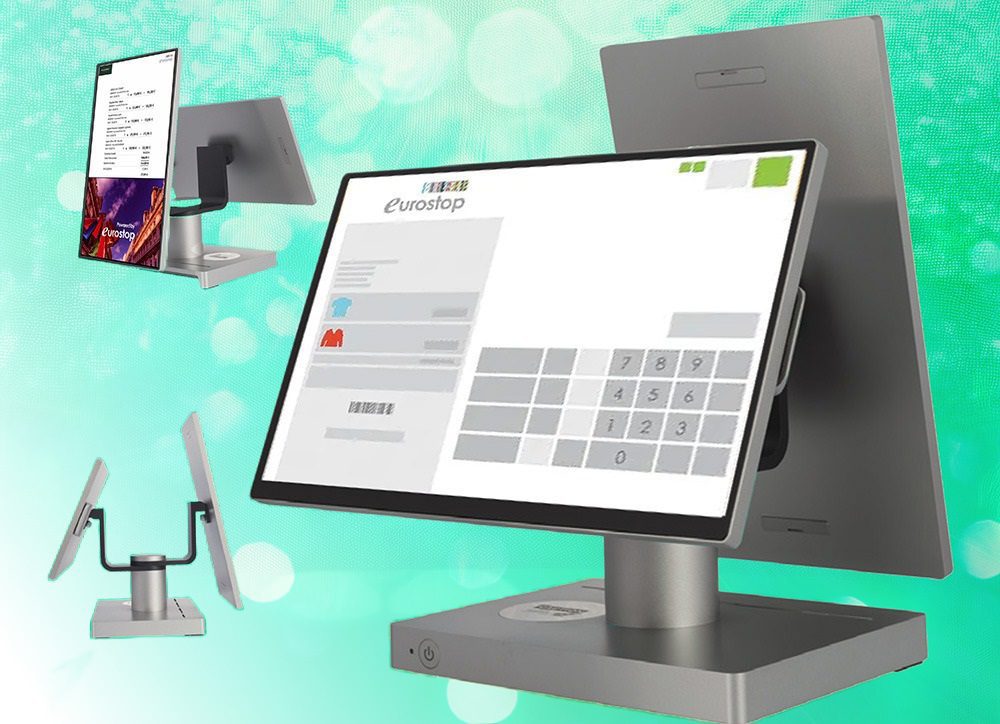
In today’s retail sector, technology has become a crucial growth driver. For retailers navigating rising customer expectations, supply chain complexity, and omnichannel operations, having a reliable and integrated system is critical. Retail EPOS software offers that foundation by enabling seamless transactions, reducing human error, and providing actionable insights across your business. Eurostop has collected some facts about how a well-implemented EPOS solution transforms everyday operations into a competitive advantage. Reducing Manual Errors with Retail EPOS Automation Manual data entry and pricing errors not only slow down transactions but also damage customer trust. Retail EPOS software reduces this risk by automating critical tasks such as barcode scanning, pricing including promotion detection, and stock updates. Every sale is recorded accurately, refunds are minimised, and compliance is maintained—creating a more professional and consistent customer experience. Improving Customer Experience with Faster Checkout Processes Customer satisfaction is heavily influenced by how quickly and smoothly transactions are processed. EPOS systems shorten queue times by streamlining the checkout process and supporting a wide range of payment options, including contactless and mobile wallets. Staff can focus more on helping customers, and shoppers enjoy a faster, more convenient experience—leading to stronger loyalty and higher satisfaction. Optimising Retail Operations with Real-Time Inventory Management EPOS software takes the pressure off manual inventory checks and reduces the time spent managing stock. Inventory levels update in real-time as items are sold, facilitating a single view stock control system and making it easier to maintain optimal stock and avoid overordering or running out. This automation frees up staff resources, reduces shrinkage, and improves replenishment accuracy—creating a leaner, more responsive operation. Integrating Channels for a Seamless Experience Modern consumers often browse online before buying in-store—or vice versa. Integrated EPOS solutions enable retailers to unify their digital and physical channels. Customers can check store availability online, place orders for delivery or in-store pickup, and receive consistent pricing and promotions across all touchpoints. This connected experience drives higher conversions and improves customer retention. Making Smarter Retail Decisions with EPOS Analytics EPOS systems collect and consolidate valuable data across every transaction. With connected technology and built-in reporting tools, retailers can track sales trends, forecast demand, and adjust pricing or promotions based on real-time insights. Understanding what sells, when, and to whom all as it happens allows for more targeted and reactive campaigns and smarter purchasing decisions—ultimately increasing profitability and operational agility. Centralising Control for Multiple Retail Locations For businesses operating across multiple locations and or channels, managing operations manually becomes inefficient. EPOS software connects to centralised inventory and sales data, providing real-time access from any location. This visibility ensures faster decision-making, consistent performance across sites, and the ability to shift stock or respond to trends proactively. Retail Success Starts with Smarter Systems Retail EPOS software is more than a transaction tool—it’s a strategic asset that supports every part of your business. From minimising risk to improving service and enabling faster, smarter decisions, a robust EPOS system creates the infrastructure you need to scale successfully in today’s evolving market. Discover How Eurostop’s Retail EPOS Software Can Transform Your Business Eurostop provides integrated retail EPOS software designed to meet the needs of single-store retailers and enterprise brands alike. With solutions built to reduce complexity, improve customer experiences, and deliver real-time insights, we help you unlock the full potential of your retail operation. Contact our team online or call 44 (0) 20 8991 2700 to learn how we can support your growth.
Transforming Retail Stock Control: 5 Essential Strategies
Effective stock control is essential to retail success. With today’s retail challenges—including inventory inaccuracies, limited real-time stock visibility, and complex workforce management, reliable retail stock control software offers solutions that drive accuracy, efficiency, and customer satisfaction. Here are five key ways from the team at Eurostop to improve inventory management and streamline operations for a seamless retail experience. 1. Boost Your Accuracy Inventory accuracy is foundational to retail. When inventory data isn’t precise, the impact reverberates across the business, leading to stockouts, delays, and missed sales opportunities. Research suggests that inaccurate inventory can cause retailers to lose billions annually, underscoring the importance of having accurate stock data. By using advanced stock control systems, retailers can improve visibility, minimise inaccuracies, and keep shelves stocked with products that customers want, enhancing the overall shopping experience. 2. Use a Real-Time Stock Inventory System Real-time stock visibility is critical for reducing stockouts and ensuring that the products customers need are readily available. Retailers can achieve this level of accuracy through sophisticated stock inventory systems, which continuously track stock levels, helping to maintain inventory precision. With real-time insights, retail teams can reduce human error, streamline restocking, and optimise order fulfilment, giving them an edge in a fast-paced market. 3. Multiply Efficiency with a Connected Retail System A fragmented system landscape often causes inefficiencies, with different platforms managing receiving, replenishment, analytics, and fulfilment. This disjointed approach complicates workflows and burdens employees with multiple interfaces. Instead, an omnichannel retail system integrates all aspects of stock control, enabling staff to manage inventory, track performance, and handle customer orders in one streamlined interface. This setup simplifies training, unifies operations, and enhances customer satisfaction through quicker service. 4. Explore AI for Future Growth Artificial intelligence offers promising applications for retail, from predictive analytics to inventory forecasting. While not yet fully implemented in many stock control solutions, AI presents opportunities for the future, enabling retailers to predict demand trends, adjust stock accordingly, and personalise customer recommendations. As AI continues to evolve, its potential to revolutionise retail operations becomes clearer, promising more informed decisions and optimised workflows for retailers ready to embrace this technology. 5. Streamline Workforce Management with Performance Reports Efficient workforce management is essential in retail, especially in high-traffic stores. Performance-reporting tools within stock control systems allow managers to track and analyse staff productivity, helping to allocate resources effectively and optimise employee schedules. By gaining insights into team performance and identifying areas for improvement, retailers can enhance workforce productivity, ensuring the right tasks are prioritised and that customer needs are met more efficiently. Contact us today for innovative retail stock control software Retail stock control software provides retailers with essential tools to improve accuracy, increase efficiency, and manage workforce productivity. From real-time inventory visibility to integrated systems and the potential of AI, these strategies empower retailers to make informed, data-driven decisions that drive growth. By adopting a connected approach to inventory management, retail businesses can optimise operations, enhance customer satisfaction, and stay competitive in an increasingly dynamic market. Learn how Eurostop’s cutting-edge retail stock control software can benefit you today by contacting us online or calling +44 (0) 20 8991 2700 to get a FREE demo!
Leveraging Big Data to Transform Retail Businesses
In today’s competitive retail environment, leveraging big data is not a luxury—it’s essential. As the retail industry continues to evolve, intelligence software offers retailers a powerful way to analyse vast amounts of data and derive actionable insights. From personalising customer experiences to optimising pricing and forecasting demand, big data has become the cornerstone of a successful retail strategy. Here, the team from Eurostop has collected some important insight into how big data is transforming the retail industry and why intelligence software is crucial for staying competitive. The Power of Big Data in Retail Retailers generate and collect immense amounts of data daily from various sources, including point-of-sale systems, e-commerce sites, market places, social media and customer interactions across multiple channels. With intelligence software, retailers can validate, analyse, and utilise this data to improve business operations, planning strategy and respond effectively to changing customer demands. Transforming the Customer Experience with Data Customer expectations have advanced, with shoppers seeking tailored experiences and brands that truly understand their needs and wants. Intelligence software helps retailers harness big data to personalise interactions, from targeted marketing campaigns to individualised product recommendations. By analysing data patterns, retailers can segment customers by demographics, purchase history, and preferences to provide tailored offers that resonate with each group. Predicting Trends & Forecasting Demand Big data analytics also allows retailers to anticipate market trends and accurately forecast demand. Intelligence software can analyse historical sales data alongside current trends, enabling retailers to identify emerging preferences and adjust their inventory, purchasing and allocation accordingly. Predictive analytics allows for smarter decision-making, reducing both stockouts and excess inventory and leading to a better shopping experience for customers and a more efficient use of financial resources. Optimising Pricing with Data-Driven Insights Setting the right price can be challenging, especially with frequent market fluctuations and varying demand patterns. Big data provides insights that help retailers establish competitive pricing strategies. By analysing data on competitor pricing, customer behaviour, and market trends, retailers can dynamically adjust their prices to maximise revenue without sacrificing customer satisfaction. Enhancing the Customer Journey through Analytics Retailers can use big data to map and analyse the complete customer journey. This process involves tracking customer interactions at every touchpoint, from website visits and social media engagement to in-store transactions. With intelligence software, retailers gain a comprehensive understanding of the customer journey, helping them identify potential opportunities for interacting with their customer base and also pain points and optimise the shopping experience. The Role of Data Validation in Retail Analytics Accurate data is critical for making informed decisions. Intelligence software plays a vital role in data validation by eliminating inconsistencies, duplicates, and errors. This ensures that retail teams are working with reliable, high-quality data. Proper validation is essential for effective analytics, enabling retailers to base their strategies on accurate insights rather than flawed or incomplete data. Real-World Impact: Driving Success with Big Data The use of big data in retail is not just theoretical—real-world examples demonstrate its significant impact. Retailers who have embraced intelligence software see improvements in customer engagement, inventory turnover, and overall sales performance. With a data-driven approach, these businesses can respond quickly to market changes, ensuring that products are available when and where customers want them. Leverage big data for your retail business with our intelligence software To learn more about how the team from Eurostop can help you streamline processes and gain added insight with business intelligence software, contact us online today or call +44 (0) 20 8991 2700.
Turnover-Based Rent & its Benefits for Landlords & Tenants

The challenges and uncertainty caused by the current COVID-19 pandemic have brought turnover based rents to the forefront, with many landlords under increasing demand to consider the leasing model for their commercial properties. Although the concept of a non-fixed rental income could be daunting, especially for landlords, turnover-based rents can actually support both landlords and tenants and is especially beneficial in the current economic climate. It actually brings a host of advantages for both parties. As one of today’s leading tenant management system providers, the team from Eurostop has helped many switch to a turnover-based rental model. Here, we discuss some of the benefits, as well as precisely how it works. What is Turnover-Based Rent? In the simplest of terms, turnover-based rent is a form of commercial renting in which the amount of rent is dependent on the tenant’s turnover, or the amount of business a commercial tenant does. It’s most often used for retail properties and may be calculated in various ways. One option is where a tenant pays a “base” rental price that’s a fixed figure or percentage of the market rate for a particular property, in addition to a flat fee or percentage based on their turnover. Another way turnover-based rent is calculated is by having a tenant pay the open market rental price, then an additional rental fee should their turnover exceed a pre-determined cap. Alternatively, the entire rent may be turnover dependent. Challenges of Turnover-Based Rent Models Disputes Over Turnover Details: One of the biggest hurdles of turnover-based renting arises when it comes to turnover calculations and rent payments. This is especially true when there are conflicting views regarding what constitutes turnover. In most cases, turnover is defined as all payments received while on premises such as those from subtenants and concessions. Clear Communication: To maintain a successful turnover arrangement, communication is key. This means clear expectations and written agreements between landlords and tenants as well as secure and accurate processes for submitting specified turnover data throughout the term of the lease. Navigating Complex Issues: Unlike traditional fixed-rent leases, turnover-based ones can be more complex and challenging to manage if you don’t have the correct system in place. In the age of unified commerce, there are additional considerations alongside traditional store sales to be factored in when calculating accurate turnover. For example how click and collect orders picked up in store, or similar, contribute to agreed turnover.. Property Value Assessments: Due to the fluctuating nature of turnover rents, it can also have the potential to affect the valuation of commercial properties since rental income is not fixed. How Do Turnover-Based Rents Benefit Tenants? A turnover-based rental model can assist tenants and provide some leeway in difficult trading conditions; which could be the differentiator especially in the current situation on the high street where non-essential retail has faced multiple store closures and shopper trepidation. It essentially means their rental fees will decrease accordingly during downturns. This can make it easier for retailers and other businesses to keep their doors open when experiencing a lull. It is important however for those renting a commercial property or searching for one with a turnover-based rental model, to go over every aspect of the lease thoroughly so they are aware of the complete terms of the agreement and how their rent can vary. Are Turnover-Based Rent Models Good for Landlords? For commercial property owners, turnover-based rent models can be beneficial because although rents may fluctuate, even if a tenant is retained on a lower rent, they’ll still be responsible for maintaining the property and paying their share of insurance and service charges. Additionally, it’s much more beneficial than having the property sit vacant for any period of time. Another point to consider is that this leasing model can bring with it a wealth of information on how your tenants are performing. By collecting and having access to tenant turnover data, with the right business insights you will be able to identify prime locations in your shopping mall and also analyse the results of promotions and external factors, such as the weather or seasons, on trading. This is particularly beneficial if you are invested in optimising your real estate and focused on initiatives to drive footfall and improve business, which obviously brings mutual benefits for both landlord and tenant. It’s important to note that legally, landlords aren’t obliged to accept a turnover-based rent proposal. However, if you do agree, you and the tenant will need to sit down to determine how turnover will be calculated and then draw up a turnover lease. This turnover-based rental contract will include the pricing model, as well as how turnover will be proven. Key Takeaways on How Turnover Models Benefit Landlords Despite the challenges previously mentioned, turnover rents do offer significant benefits for landlords mentioned above. The key takeaways include: Minimal Risk of Vacancy: Because turnover-based rent is linked to business performance, there’s much less of a risk for landlords to have vacant properties and it makes it easier to retain tenants. Added Income: When tenants’ businesses are performing well, landlords in turn also benefit, earning more income than if they were using a traditional leasing method. Shared Interests: Since turnover-based renting aligns the interests of both landlords and tenants, both parties benefit from a business’s success. This means that it can often be more of a strategic and dynamic partnership as higher turnover also means higher rent for landlords. How is Turnover Proven? Most often, this is by basing an annual rental amount on the previous accounting period or having tenants provide a turnover certificate. However some Tenant Management Systems, like the one from Eurostop, can use actual turnover figures collected on a daily (or even more frequent) basis. This not only gives you a more accurate model for your rental figures, but it also means that rent can be adjusted quickly in response to an increase or decrease in turnover. Having real-time data also facilitates marketing initiatives to optimise footfall in response