
Planning for the future of retail after COVID-19

The COVID-19 Pandemic has affected each and every one of us in all aspects of our daily lives, and it’s created a paradigm shift in how we have adapted to protect the NHS and save lives, while still maintaining some ‘sense of normality’, if that is what you can call it. Luckily, in the digital age, we have a host of ever developing technology at our disposal to assist and transform according to the current challenge facing us today. Along with concerns over the health of every individual, we have the added challenge of how this is all affecting the economy of the country, as well as globally. But as we strive to keep the virus under control and reduce rate of infection, we must also plan for the future. The Prime Minister announced plans for shops to reopen in June, but it can be seen that they will open their doors to a different world, and the high street is going to be different, at least for the foreseeable future. If the Coronavirus pandemic remains under control, lockdown rules are said to be relaxed in stages, but with restrictions in place and social distancing prevalent and a priority. Eurostop have looked at ways in which retailers can plan for the future. Shops will open but retailers will need to take various precautions to ensure the wellbeing of staff and consumers, and to gain their confidence. 1. Social distancing in store With the well touted ‘2m rule’ in force, this forces retailers to consider the logistics of managing both staff and customers in stores. Retailers will need to serve customers safely and minimise contact, while still maintaining a convenient level of service. Of course, this means planning and the British Retail Consortium has issued recommendations for how to implement the Government’s guidelines for social distancing in and around stores. Among the BRC’s points is managing till points, advising that you may consider closing every other till point if necessary. Another option for queue management is to use mobile POS units, if you have them, which can assist with social distancing, reduce queues and keep customers happy as well as safe. Either way, cashless payments, preferably contactless with digital receipts reduce contact during the payment process. 2. Self-service with on demand information Using technology to reduce potential POS person to person contact could further help the situation. Some retailers have in store apps which allow customers themselves to quickly perform price checks, stock checks and find out about products on demand. Eurostop’s MyShoppr® allows shoppers to do just this, on their own personal mobile phones, eliminating the need to come into contact with store hardware. Even allowing them to purchase online for delivery at home, reducing queues even further. 3. Fulfilment & Replenishment to meet demand during COVID-19 During this challenging time, the country has found a sense of togetherness and consideration for others, however the general apprehension regarding COVID-19 means that shoppers want to get exactly what they need and not hang around. A wasted journey in store, would indeed be frustrating. Certain products such as fitness gear and personal grooming sales have flourished, with some stores selling out. This means that replenishment of stores according to demand and fulfilment of online orders needs to run as smoothly as possible. Ensuring that you have a connected Retail System, and fulfilment and warehouse picking that is capable of managing this is vital, especially with the added challenge of social distancing, not just in store, but in fulfilment centres. Once the shops are back open, retailers need to make the most of every opportunity. 4. Retail analytics and planning for store openings The closure of non-essential brick and mortar stores since 23rd March has no doubt had a massive impact on this Spring’s trading. It’s important now to take stock and work out a plan forward. It’s certainly not ideal, but the high street has to survive. You need to know what you have in your warehouse and how best to allocate to your stores. Perhaps responsible promotions can assist with recovery. In any case, having transparency of what stock you hold and relevant business intelligence can help with planning and making the right decisions in the current situation. Customer loyalty databases will allow you to keep in contact with your customers from afar, so that when it is time to reopen, they know that you are there. Hopefully, creating a safe environment, which meets the current demands of consumers will help to encourage shoppers back in to store, when it is safe to do so. Contact Our Eurostop Team Today If you want to find out how Eurostop’s Retail Systems can help you, please contact us, we’re here to help.
Is TMS the answer to requests for Shopping Mall rent reductions?
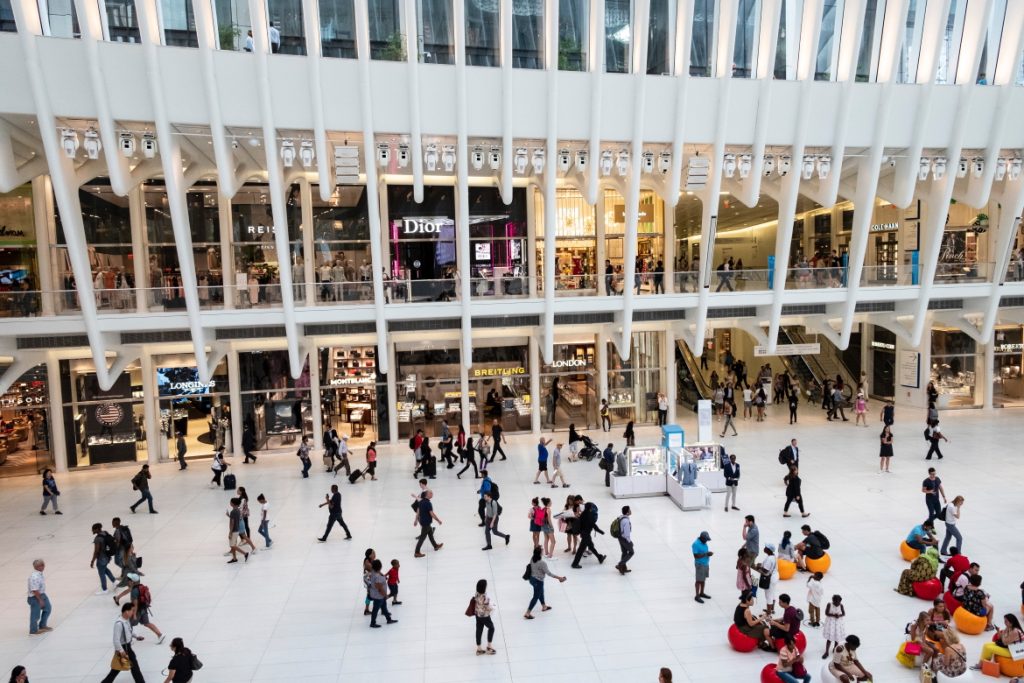
Requests for Rent reductions Retail needs to reinvent itself to stay relevant, and more to the point, to stay in business. While the death of traditional retail has long been predicted, at Eurostop we feel that bricks and mortar retailers still have a lot to give, and if the most recent headlines are to be believed so too do the latest generation of shoppers, millennial Shoppers are becoming more discerning and looking for a better experience and to be entertained, shopping after all is a leisure activity. One area that could really help stricken retailers is a reduction in rents. Recently we have seen a spate of high profile retailers such as Ann Summers, Clarks and Monsoon Accessorize asking for, and receiving, reductions in their rents. Landlords have traditionally set rents as part of multi-year contracts or leases, with very little option for flexibility, and over the years, many retailers have invoked a CVA or gone out of business as a result. TMS – a win/win solution While lower rents would be good for the retailers, they are not so good for the landlord. However, there is an alternative model – one that we at Eurostop have seen at first hand powered with a TMS (Tenant Management System), operating with great success throughout Asia. In the Far East where the mega-mall shopping culture is still ahead of the UK, landlords charge a smaller ‘rent’, plus a percentage of turnover. This results in a flexible rent option that adjusts proportionally if a retailer is doing well, encouraging sustainability for retailers in the mall. Those retailers that are highly successful generate more income for the landlord, and it is therefore in the landlords own best interest to ensure that they have a prime location within the mall. Lower rents + commission = a better deal for all This model could work very well in the UK where for some years now, there has been a trend towards out-of-town shopping malls. Consumers are attracted by more up market food halls, restaurants and bars, and often other leisure facilities such as cinemas and bowling alleys. Better decisions supported by sales and footfall Successful shopping malls offer a mix of high-profile anchor tenants to attract large numbers of customers together with plenty of fresh, new brands to keep the shoppers interested and coming back for more. A Tenant Management System (TMS) can help landlords to gather information such as sales and footfall data across all types of tenant, enabling them to make fact-based decisions. The data can show the location of sales so that landlords can identify the busiest, most profitable locations, and so allocate pitches accordingly. With a TMS they can also track information such as sales value by floor and retail sector. This enables the landlord to optimise the space and meet demand, by offering successful and sought-after brands premium positions within the mall. In addition, having an overall view of sales means that landlords can see the result of specific marketing campaigns, for example, a promotion to boost visitors on mid-weekdays that tend to be quieter. More detailed analysis shows whether footfall increased and if sales increased as a result. By combining a fixed price element to the rent, with a performance related element, shopping malls are able to offer rents that are manageable, even for start-up businesses, and benefit when those brands become more successful. In this way, it is in the landlord’s interest to help market the mall to attract visitors, and a successful retailer is happy to pay commission when sales are good, knowing that during quiet times the rent will be lower which helps with cash flow. For more information, find out more about our TMS solution.