
A Guide to Managing Multichannel Retail Stores
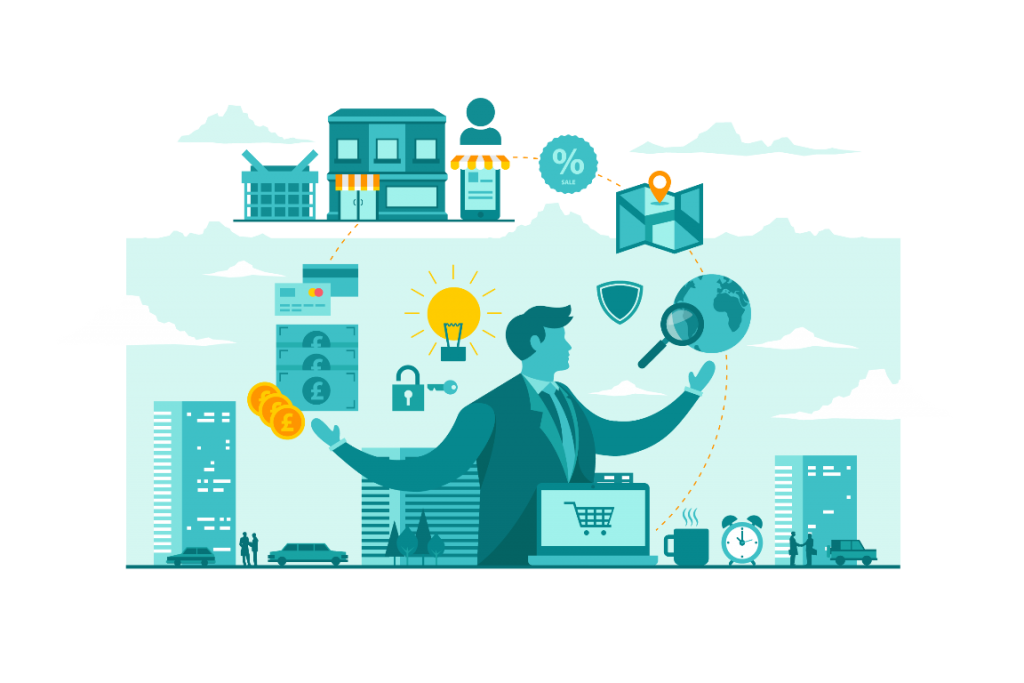
Many of today’s leading retailers and franchises are embracing multichannel retail with a store estate that may even cross international borders, not to mention online channels, social media, mobile apps and marketplaces. Managing this modern retail ecosystem is certainly becoming more complex and challenging than ever before. Having the correct tech stack in place is therefore essential to being able to effectively manage your retail estate and ensure that customers have a favourable brand experience which is both responsive and consistent. That’s why retailers often invest in comprehensive retail ERP software to serve as the ‘backbone’ of their retail system. Here Eurostop offers a guide on how to best manage your retail estate and multichannel offering. 1. Always Strive for a Consistent Brand Experience Using consistent standard operating procedures across your business is one of the best ways to ensure things are running smoothly at every one of your stores and channels. In your brick and mortar stores,this should include work schedules, product return processes, and customer service procedures such as communications and complaint management. You may vary some of the processes for online channels, but the overall brand experience should be consistent, always placing customer convenience at the forefront. It’s worth bearing in mind that shoppers will likely have many touchpoints with your brand on the path to purchase and these will cross multiple channels, however what they will expect is that the process is convenient and as seamless as possible. Employing the right retail ERP software is a great way to provide a core system which facilitates a single view of truth to power the staff and business with the right information and tools. 2. Select Reliable Staff Members for Your Retail Stores Having reliable team members at each one of your retail locations is key for a smooth customer experience, in addition to making certain each store and channel is running as it should be. Investing in the proper employee training, as well as providing the correct technology to make your staff members’ lives easier is key. It’s no secret that in a competitive landscape, customer service will always be a true differentiator, and the right technology can make it easier to provide the best service across the board. The importance of customer reviews and word of mouth can’t be underestimated and are powerful marketing tools, so it is important to invest to impress. 3. Enhance Internal Communication With multiple stores, retailers need to do their best to improve internal communication by making it easy for teams to coordinate with each other. Although team members might not be in the same location, a reliable ERP software platform will provide a centralised head office system that’s synched with all of your retail stores and your POS estate, providing a single point of reference. 4. Automated Inventory Tracking The best and most effective way to stay on top of inventory and stock control is to automate such processes to ensure you’re never left with overstock or run out of popular items or product lines. Managing such processes through a single system will allow you to accurately and efficiently keep track of all your stock and inventory. Then, for example, if a customer enters a store that doesn’t have the item they’re looking for, another store that does can easily be found. Not only that, but having the right information on customer preferences, products and stock can enable your staff to make the most of any opportunity to cross sell or upsell. 5. Centralise Your Sales Data Your sales data is incredibly important, which is why all of it should be stored in a secure and central database, with which you should be able to gain valuable insights. Regardless of the number of stores you have, retail software and an advanced EPOS system can help collect all of your business-crucial data under one umbrella. Not only will having such tools eliminate the need for staff members from different locations to provide sales data that needs to be compiled, but it also makes it easy and importantly accurate to generate in-depth sales reports and metrics about your business. 6. Regularly Assess All Your Retail Stores Although implementing automated solutions and innovative software will certainly help provide much-needed insight into all of your retail sales and operations, they will still need to be regularly assessed. Visit stores and fulfilment warehouses when you can to monitor operations and make certain that all staff members are following the standard operating procedures you’ve set down. Additionally, if there’s anything noticeably wrong, you can find a solution as soon as possible before it becomes a problem and begins affecting your customers, and profits. In the case of online, there are tools with which you can assess the effect of marketing campaigns, promotions and website and app design. Minimising any friction points, which could lead to a customer looking elsewhere, can really make a difference in driving up sales. Contact us today for advanced retail ERP software and more Investing in Eurostop’s best-in-class retail ERP software can help solidify your customer relationships, improve staff and customer communication and optimise your sales. With the right reports, you can find out what’s working and what isn’t, and align your offerings and marketing tactics accordingly. In addition to our ERP software, we also specialise in mobile point-of-sale (mPOS) solutions that provide you with the freedom to sell from anywhere, as well as fiscalisation services, tenant management systems, and more. Contact us online today or call +44 (0) 208 991 2700 for a no-obligation demonstration.
A Guide to VAT: Transactions, Receipts & More
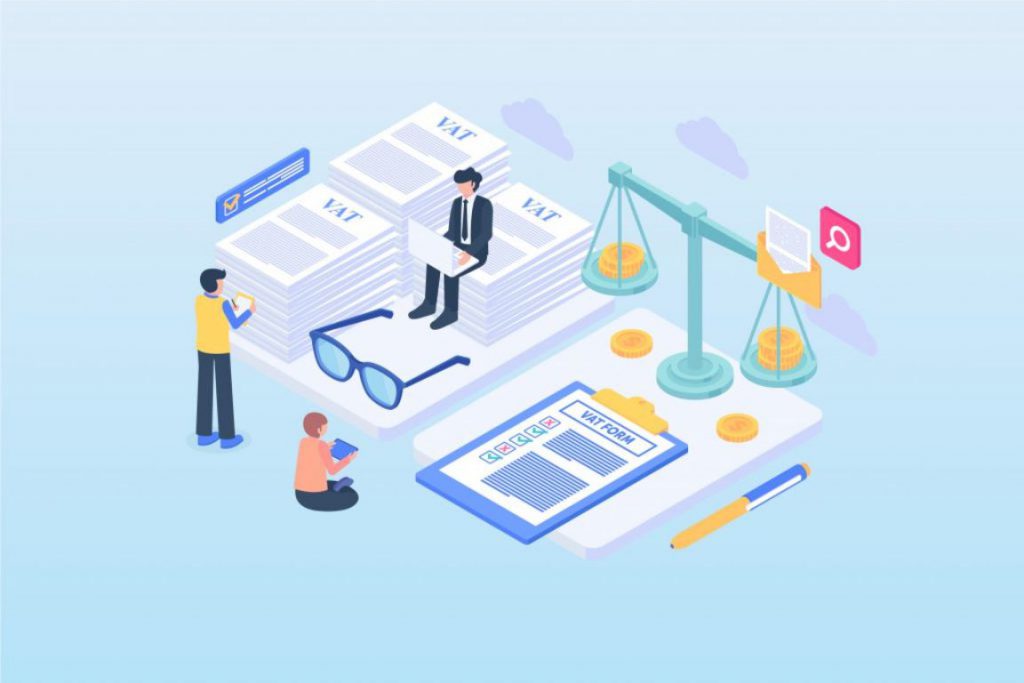
Whether you are a retail business owner or a consumer, you are likely aware of value-added tax (VAT) in some shape or form. It is an important part of a business, which is why Eurostop is providing some insight about how it’s implemented, used for transactions and how POS systems can keep track of collected VAT to help businesses remain in compliance. What Exactly is VAT? As mentioned above, VAT stands for value-added tax. In the simplest of terms, it is what a retailer/business is required by law to charge for a consumer’s consumption of the supposed value of goods and services they supply. Although it might not seem like much of a benefit to retailers or businesses, there are some advantages to being VAT-registered in the UK that include refunds on all VAT-taxable items purchased by your business. Additionally, once you are VAT-registered, you will be given a registration number that can help improve your credibility if you own a smaller business. Last but certainly not least, retailers and other businesses that are VAT-registered are often allowed to reclaim up to four years’ worth of past VAT charges, as long as they still have proof of purchase. Is VAT Applied to all Products? There are a variety of goods and services that are exempt from VAT such as insurance, training and fundraising events by charities. Alternatively, goods or services will be taxable at the standard rate, a reduced rate or they may be zero-rated. For both VAT exempt and zero-rated items VAT is not added to the selling price and consumers are not required to pay any VAT on the item; but for the seller there is an important distinction between these two classifications. For zero-rated items, the seller may claim be able to claim VAT back from the HMRC that is incurred in relation to providing the supplies. Sellers should however be aware that certain conditions must be met in order for products to be zero-rated and these should be considered carefully. You can apply to be a VAT exempt business if you only sell or supply VAT exempt goods or services. In this case you cannot register for VAT or recover VAT on purchases. You may also apply to be VAT exempt if you sell only zero-rated items, but if you are exempt from registration, again you will not be able to reclaim any VAT. Are Consumers Provided with VAT Receipts? When a patron of your business or retail establishment purchases your goods/services and you’re a VAT-registered business, then you will provide them with a VAT receipt afterward. Not only will it include information such as when the purchase was made and at what brick-and-mortar location if the item was purchased in person, but it will also contain your company’s registered VAT number as well as the amount of tax charged for that individual purchase. VAT receipts issued by POS systems can come in paper or increasingly in digital format. Although for consumers, VAT receipts are not vital unless they are purchasing products for their own business from a B2B company, they are important for businesses, especially when they need to invoice their suppliers. This is because they will need a valid VAT receipt in order to claim such write-offs on their taxes. Without a receipt, you cannot claim a VAT purchase as a business owner. What Exactly Does a VAT Receipt Include? As briefly mentioned above, a business’s VAT number, the amount of VAT taken out of a purchase, and the time a purchase was made are included on a VAT receipt. However, it will also include a unique invoice number, important information about the business that issued the receipt such as location and address, and the tax date. Unfortunately, if any of the information included on such a receipt is incorrect the VAT could be rejected, meaning you will be unable to claim it in your VAT return. That’s why having payment processing solutions like a VAT receipt POS system is essential for every business nowadays. What are the Legal Implications Surrounding VAT? One of the most important legal ramifications in the UK surrounding VAT is that any VAT-registered business is required by law to employ a VAT receipt POS system to provide consumers with the proper receipt. Additionally, any supplier that fails to provide a detailed VAT receipt is required by law to provide one, and all customers are entitled to one. In addition to these regulations, VAT-registered businesses are also legally obligated to keep detailed records of their transactions and purchases dating back to six years; such records also required to be in good condition and easily accessible. Contact us for VAT receipt POS system solutions today To remain in compliance with all UK VAT regulations, Eurostop can help. Our modern retail software are designed to be easy to use and can integrate with all of today’s latest CRM and ERP solutions. In addition to VAT receipt POS solutions, Eurostop also specialises in a range of offerings to help streamline your retail establishment and enhance oversight such as mPOS systems, fiscalisation services, and more. Contact us online today or call +44 (0) 208 991 2700 for a no-obligation demonstration.
Protecting Against Inflation with Retail Stock Control and ERP Software
In the current economic climate, inflation has become a significant challenge for retail businesses. To maintain profitability, businesses must employ innovative strategies to safeguard their sales against the impact of inflation. However, by implementing the latest stock control and retail ERP software, businesses can minimise the impact of inflation, which is why Eurostop has collected some insightful tips for you here. 5 Tips for Safeguarding Your Retail Sales from Inflation 1. Modify Your Offerings One great way to stay on top of the competition during periods of inflation is to change up your offerings. This means making adjustments to your goods/services based on customer demand. It’s also important to determine what your best-selling items are and give them more prominence. Segment products, channels, and customers based on value, price sensitivity, and costs to serve, and apply different pricing strategies accordingly via your ERP/stock control software. 2. Investing in Marketing Tactics Developing a strategic marketing plan has a host of benefits but it is particularly pertinent during a recession. With inflation and the current cost of living crisis, soaring energy costs and increasing mortgage rates, many consumers are understandably reviewing their budgets and proceeding to spend with more caution than before. Here is where really understanding your audience and their pain points can allow you to focus on content that convinces them why they need your product and should continue to invest in your brand. Depending on your offering, you may have products that are cost effective, but strategies can also involve promoting durability or how they can use your products to do what is important to them right now. For example, when customers might be looking to spend less on items that they may deem as non-essential and cutting back on entertainment costs, lifestyle retailers may consider focusing on highlighting how home décor can make their homes a cosy place to spend time. Increasing the perception of your product’s worth can go a long way to maintaining or even increasing revenue. In addition, you can use your ERP and stock control systems to help analyse the effectiveness of your campaigns so that you can adjust accordingly for maximum impact. Loyalty systems and schemes can also help to convince customers that they are getting more value for their money. 3. Reward Current Customers Another great way to adjust your operations for inflation is by rewarding current customers or new ones via discounts for referrals and loyalty programs. For example, discounts for repeat customers will not only help you keep your current ones but also attract new ones. ERP systems make it easy to strategically offer, setup and synchronise these types of discounts across your selling channels and POS estate; as well as keep track of customers’ buying habits. 4. Cut Costs When Possible Modern retail ERP software can assist with keeping running costs down in a number of ways. They include: Helping retailers to avoid over or understocking their shelves so that they have the right stock in the right place according to demand. By being able to report and know how your products are selling in all locations is essential, allowing you to allocate correctly and make best use of your capital. Having excess stock is not cost effective and can also incur expensive warehousing costs. On the flip side, stock outs cost the business both in terms of lost sales and negative brand perception when customers are left disappointed. Knowing where your stock is and being able to keep an accurate track of stock movements can also reduce the chance of missing an all important potential sale. If a popular product, size or colourway is selling out in store, a stock control system can allow your staff to find out where the item is in stock, preventing customer disappointment, or purchasing from another retailer. Using the right technology to monitor and control your stock also provides an opportunity to quickly identify any discrepancies that might indicate waste or shrinkage, allowing the business to remedy the situation as quickly as possible and minimise costs. 5. Use Your ERP System to Implement Active Pricing During inflation, your retail store can adjust your pricing strategy accordingly to remain competitive by implementing active pricing structures. ERP software can provide key insight and analysis to be used to assess a retail establishment’s pricing potential, then prioritise their prices accordingly. How Does Inflation Impact the Retail Sector? Inflation impacts the retail sector when the cost of materials or supplies rises, resulting in higher prices for consumers. This means your customers have less money to spend on certain items. However, interestingly inflation isn’t always a negative thing in terms of the retail sector and can often result in: A Broader Audience: When the value of the currency in other countries is lessened, it can create an influx of tourists and travellers to seek more retail stores abroad because they’re cheaper. Enhanced Revenue: Often, when overall prices are on the rise, consumers tend to spend more on items that appear to be high quality even though they’re more expensive. Added Foot Traffic: Inflation can also result in increased foot traffic to retail stores that offer deals and discounts, as consumers become more price sensitive. ERP solutions can be useful in this regard, as they enable businesses to provide buying incentives and promotions more easily. How Eurostop Can Help Your Retail Business Guard Against Inflation As one of today’s leading retail ERP providers, Eurostop can help your business adjust to guard against inflation in a number of ways. As customers’ preferences change and the rising cost of living is affecting consumer habits, our ERP/Stock Control system can provide your business with in-depth information right down to SKU level, giving you invaluable granular insight. Advanced tracking and reporting can help you to determine what products lines are selling best, who’s buying them and offer key forecasting insight. The ERP/Stock Control solutions from Eurostop help you maintain central control of your retail business regardless of size, channels and number
Top Sustainable Retail Tips for Your Enterprise

In the past few years, as consumer concerns regarding climate change have become greater, retail establishments have begun to align their goods and services accordingly. But this might seem easier said than done at first glance. That’s why the omnichannel retail experts from Eurostop have collected a range of insights for you here. Below you’ll find some top tips to create a sustainable retail strategy for your business. Why is Investing in Sustainable Retail so Important? These days, consumers have become much more conscious when it comes to big issues such as fair labour practices, waste management, climate change, and the preservation of dwindling natural resources. This has played a large role in changing their purchasing habits and impacting their buying decisions. Consumers are more likely to patronise retailers that advocate for sustainability and the environment. This has created a shift in the retail sector, as retailers look to find ways to be more sustainable and reduce their environmental footprint. 6 Tips to Make Your Retail Establishment More Sustainable It may seem a little overwhelming at first, but there are actually some simple and practical steps your business can take to make itself more sustainable including: 1. Changing Your Everyday Processes One of the first things you can do to make your retail business eco-friendlier and more sustainable is by changing some of your everyday practices, like choosing energy-efficient equipment, appliances, and lighting for your brick-and-mortar stores. Even something as simple as switching to LED lighting can demonstrate your commitment to sustainability. Additionally, reducing paper waste as much as possible is key. Provide and promote to customers the option of having receipts emailed to them and dispose of any waste properly. This means recycling and donating items or reusing things like displays whenever you can. 2. Invest in Sustainable Packaging Solutions Every retailer will have a range of packing expenses, whether it be for example printing price tags, order and returns paperwork or packaging. However, there are a wide variety of sustainable alternatives out there to take advantage of, such as paper-based packaging that can be easily recycled. Anything that a customer can reuse that’s also eco-friendly is essential. Going paperless is also an option – reviewing your returns procedure can not only reduce the amount of paper used, but if done effectively it can also enhance customer convenience, enhancing their experience with your brand. 3. Help Your Customers Reduce their Carbon Footprint Providing products and solutions that actively help consumers reduce their carbon footprint can also be a big selling point. Doing so will help them feel more empowered as consumers and give them the opportunity to make purchases more in line with their lifestyles. For example, you can sell eco-friendly products that are not only reusable but also donate a portion of the proceeds to eco-friendly initiatives. This demonstrates a commitment not only to changing your retail business but also trying to make an impact in your industry toward more sustainable practices. 4. Incorporate Sustainability into Your Story Another important way to demonstrate your commitment to sustainability is to publicise your efforts and make them part of your brand’s story. By letting consumers know where you stand on issues like climate change and the reduction of carbon emissions etc., you can attract more clients and use your sustainable retail practices as a selling point. Your marketing strategy will play a big role here so it’s important to have a clear message across the board. This includes all your content, like your website, blogs, and social media channels. When developing your business’s sustainable retail marketing plan, ask: What are your business’s long-term sustainability goals? How are your business’s eco-friendly efforts going to create a better customer experience and product? What initiatives does your business engage in? How do your business’s sustainability efforts align with your corporate vision? 5. Help Customers Become More Sustainable Piggybacking off point three, you can easily help your customers become more sustainable by including notes on recyclable items or packaging. You can also post gentle reminders and tips on how to “reduce, reuse, and recycle” on your business’s website and social media channels. 6. Be Honest & Avoid Greenwashing Although greenwashing is nothing new, these days many companies are unfortunately falling into the habit of making their products and services appear eco-friendlier and more sustainable than they actually are. When forming a sustainable retail plan, it’s important to be honest about your business’s products/brand. This means labelling everything you sell accordingly and even searching for third-party certifications to strengthen your brand. Not doing so can seriously damage your reputation so be sure not to have any misleading information; eventually, consumers will catch on. Contact us today for a no-obligation demonstration Eurostop has helped many companies streamline their processes and become more sustainable by offering innovative EPOS solutions, inventory control systems, mobile POS systems, and more. Contact us today for a no-obligation demonstration or call +44 (0) 208 991 2700.
4 Reasons Why Demand Planning is Vital
When it comes to forecasting and making decisions for your retail establishment, demand planning is key to customer satisfaction and your business’s bottom line. It offers a host of advantages for retailers, so the team of experts from Eurostop has collected some valuable insight for you here. Why is demand planning important? Read on to find out. 1. Proactive Business Decisions Demand planning is a necessity for any retail establishment because it provides your business with visual and actionable insight, especially when utilising effective reporting software. Your company can make better decisions for the future that helps grow your business and predict consumer trends. 2. Helps with Agility When running a retail establishment, finding proactive solutions to problems that arise rather than reactive ones are paramount. Recently, throughout the UK, postal strikes drew many retail establishments to a halt. However, having the proper demand planning system in place can enable your business to adjust to unforeseen events and take advantage of alternative shipping arrangements, thus minimising losses. 3. Increased Customer Satisfaction Doing everything possible to keep customers happy and build trust and loyalty is important. As retail evolves, consumers expect a hyper-personalised experience. Demand planning can help you prepare for big sales spikes and seasonal influxes and avoid stockouts, boosting brand loyalty and keeping your business at the forefront. 4. Reduces Operating Costs Stockouts or having trouble keeping up with customer demand force the need for costly, last-minute stock orders, or worse, losing a customer sale. But demand planning aligns sales and operations, making certain all your business’s offerings are in line with the consumer’s needs. Such planning not only ensures you don’t run out of products but that you’re not paying costly warehouse fees for an influx of unsold inventory due to shrinkage. You can make informed decisions regarding your supply chain and the right planning software can help you save time, as well as money. Contact Eurostop for best-in-class inventory reporting and business intelligence solutions! To get the most out of your retail planning processes, contact Eurostop online today to learn more about our EPOS systems and inventory control solutions, or call +44 (0) 208 991 2700.
Training Retail Staff: 4 Great Ideas
The right EPOS system can unlock a whole range of new opportunities for retail establishments to improve customer retention, make tasks easier forsales staff, and reach the ultimate goal of a connected and hyper-personalised consumer experience. In Eurostop’s experience, a common customer concern can be the ability to maintain operations while the new system beds in. Having a smooth rollout, with minimal disruption to the business, is an important part of the process. That’s why effective training of retail staff is an integral part of migrating POS estates. Here the team from Eurostop offers some leading tips for training your company’s staff members! 1. Train Retail Staff Directly on Your New EPOS System When implementing/renewing POS estates, training retail staff directly on your business’s new system will provide invaluable, hands-on experience and insight into the proper processes. A variety of training resources may exist, such as videos and manuals, but nothing can compare with hands-on experience. When employees begin training, set up the new system exactly the way it will be once it’s implemented and used on the floor. Familiarising staff before migrating systems will build confidence and minimise confusion, as well as queues of customers during the checkout process. 2. Complete Real Transactions on Your Business’s New System After the new retail software is implemented, have retail staff complete some real transactions to ensure they feel comfortable. Test it by completing different purchases and processing different types of payments, transactions and POS lookups to provide a valuable learning experience. The best EPOS systems allow for simulations of different situations, such as declined credit card payments and other things. This way they’ll already know how to troubleshoot issues. 3. Provide Retail Staff Time to Acclimate Themselves You must provide your business’s retail staff with the proper amount of time to acclimate themselves to your new POS estate, rather than simply throwing them behind the cash register. Part of the training process is developing the right muscle memory to easily perform tasks like ringing up purchases or processing returns. It may be necessary to spend individual time with retail team members who are struggling more than others to adapt. 4. Ask for Retail Staff Feedback After you’ve implemented and begun using your business’s new EPOS software, ask employees for feedback. Are there any problems that are arising either individually ot across the board? It may be that further training is required, potential features are not being used to their maximum potential, or that your POS vendor may be able to assist in customising the system for any particular requirements that you have. What are some of the benefits your employees are seeing? This can help your retail establishment implement the best system and tweak it to make it easier for staff to use. Contact Eurostop today for a no-obligation demonstration! If you’re thinking of migrating to a modern POS estate, Eurostop can help make the process seamless by providing training and support. Contact us online today to learn more or call +44 (0) 208 991 2700.
How to Maximise Your Business’s Retail Digital Marketing Campaigns
Like most sectors, the retail industry is undergoing a major digital transformation and it’s essential for businesses to maximise their digital marketing efforts in order to remain relevant and competitive. Customers want a hyper-personalised approach and digital marketing can help retailers deliver it. The right digital marketing campaign can boost brand recognition, drive website traffic, and increase sales. Let’s review the essential strategies your business can use to maximise its retail digital marketing strategy. Retail Digital Marketing Explained The lines between digital and offline retail are blurring, and with that, retail digital marketing has become both more important and more complex. Retailers must create campaigns that are tailored to their target audiences, leveraging all the digital channels available to them. This includes creating a strong presence on social media, optimising content for search engines, and using targeted email marketing to forge stronger connections with consumers. Employing Digital Marketing to Pull Shoppers into Physical Locations In today’s digital world, retailers must use digital tactics to bring shoppers into their stores. This can be done by creating engaging content that drives customers to in-store events, offering exclusive deals and promotions on their website, and leveraging location-based marketing tactics to target nearby customers. Digital Strategies Can Be Used to Improve the In-Store Experience Retailers can also use digital marketing to improve the in-store experience and strengthen customer loyalty. This can be done by offering free Wi-Fi in stores, providing interactive digital displays, and utilising technologies like beacons to provide customers with personalised messages and promotions. Consumers & Smartphones In-Store Retailers must also understand how consumers are using their smartphones in stores. According to a recent study, over two-thirds of shoppers are using their mobile devices to search for product reviews, compare prices, and search for discounts. Retailers can take advantage of mobile technology to provide customers with an engaging, seamless shopping experience. Use Email Marketing for Personalised Campaigns Email is one of the most effective digital channels for personalising customer experiences. By leveraging email marketing, testing and analytics, retailers can create targeted campaigns that are tailored to the individual needs of their customers. This can include sending special offers and discounts, providing product recommendations, and sharing content which enhances your product offering. Mobile Experiences Drive Successful Sales Funnels The mobile experience defines success in retail. Retailers must ensure their websites are optimised for mobile and that they have a mobile app providing customers with a seamless shopping experience. This includes investing in technologies like responsive design, mobile commerce, and push notifications. Shoppers want to interact with your brand in the most convenient way for them at any given time (be this online or offline), so brand touchpoints must be connected, seamless and slick for a great omnichannel experience. Top Ideas for Retail Digital Marketing To stay ahead of the curve when it comes to digital marketing here are some digital marketing ideas for your retail business: Branded Hashtags Hashtags are how social media categorises certain posts. Your business can use them to sort and organise its tweets or posts and make it easier for customers to find your posts and products. To create a great branded hashtag, take into consideration some of the things your customers might be searching for when they use social media. Live Video Feeds Live videos are a great way to engage with customers and build a loyal following. Your business can use live videos to show off new products, answer questions, or give a behind-the-scenes look at your store. This will help your company create a more personal connection with your customers and give them an inside look at your business. Seasonal-Specific Posts Take advantage of holidays and special occasions to create exciting posts on your business’s social media channels. This could include offering discounts, special sales, or even hosting contests and giveaways. Not only will this help build interaction, user generated content and brand loyalty, but it will also encourage repeat customers. Create & Build Facebook Groups Facebook groups are a great way to create an online community for your business’s customers. Use your retail company’s group to share tips and advice, answer questions, and even promote your products. Contests for Product Giveaways Contests and giveaways are a great way to drive engagement and get consumers talking about your brand. Your business can use contests and giveaways to promote new products, reward loyal customers, or simply generate more interest in your business. Use Videos & GIFs in Content Videos and GIFs are great ways to engage with customers and make posts more exciting. Your business can use videos and GIFs to showcase new products, give customers a behind-the-scenes look at your business, or do something more creative and fun. Send Promotional Emails Regularly Promotional emails are a great way to keep customers updated on new products and promotions. Use emails to offer discounts, provide product recommendations, how they can make best use of your offering or simply keep customers in the loop about what’s going on in your store. Create & Display Employee Spotlights Employee spotlights are a great way to provide customers with a personal connection to your business. You can use employee spotlights to showcase the people behind your retail company and put a personal face on your brand. Contact Eurostop today for a no-obligation demonstration There are so many synergistic strategies available for retailers to combine digital marketing efforts for online and in-store sales. Your business can further maximise its return on its marketing investment by leveraging the powerful EPOS and mPOS solutions from Eurostop that support your services. These solutions allow your business to easily manage customer data, process payments, and control inventory, creating a smoother and more efficient buying experience. It also enables your business to gain valuable insight into the customer journey. Contact us today for a no-obligation demonstration or call +44 (0) 208 991 2700.
What is Retail Marketing? Some Effective Strategies
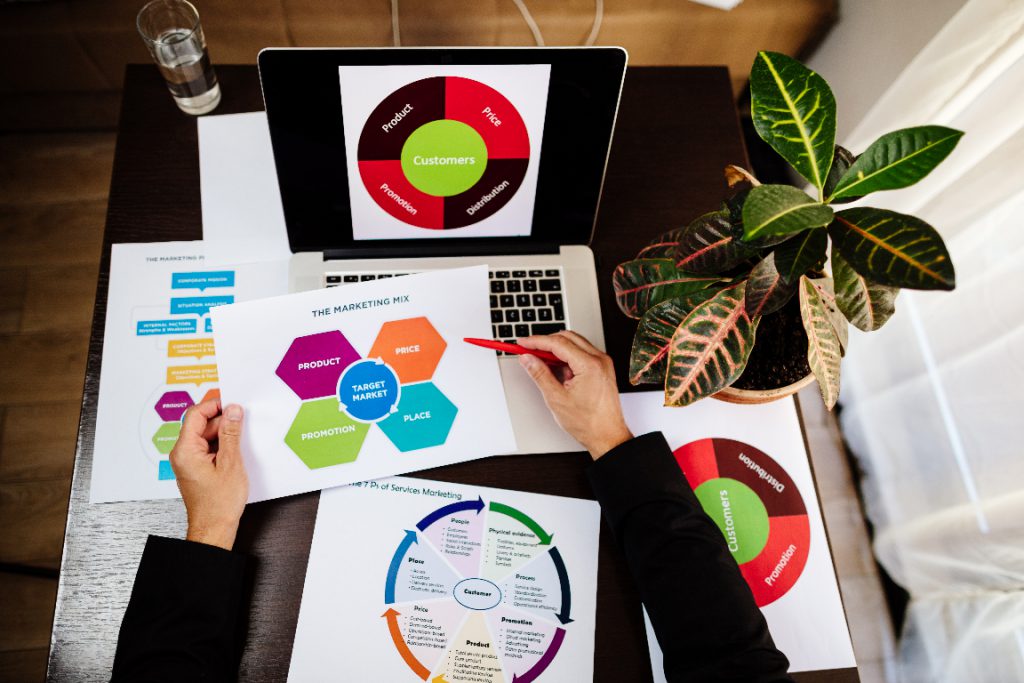
Retail marketing is a type of marketing strategy that focuses on the promotion of products and services to consumers through retail outlets. It is an important part of a business’s marketing strategy, as it not only helps to drive sales but builds brand awareness and loyalty. There are numerous types of retail marketing tactics that can be used to reach consumers in different ways. Let’s explore these strategies and a few examples of successful retail marketing campaigns. What is Retail Marketing? Retail marketing encompasses all efforts aimed at promoting products and services to consumers through retail outlets. The four main channels of retail marketing are product, price, place, and promotion. Product refers to the actual product or service being sold, price refers to how much it costs, place refers to where it is being sold, and promotion refers to how it is being promoted. By leveraging these four components, retail marketers can create effective campaigns that target their desired audience. Product Marketing any product requires careful consideration of how it is positioned in the retail sector. This involves analysing price points, features, and benefits. Additionally, product packaging and labelling are important, as they are part of the product experience and create a memorable impression on consumers, differentiating your business from the competition. Price Price plays a key role in retail marketing. It’s the main factor that drives consumer purchasing decisions. Pricing strategies should be carefully planned to ensure that your business’s product can be competitively priced while still providing a profitable margin. Also, accounting for the price sensitivity of your business’s target audience and how it affects their purchasing decisions is vital. Place The distribution of a product is an important part of retail marketing since it determines where the product will be sold and how easily accessible it is. This includes verticals like geographic location, physical stores, online stores, and any other channels where your company’s product is available. Physical location and in-store merchandising are extremely important for drawing in new customers and fostering loyalty among existing ones. Promotion Promotion is the most visible part of retail marketing. It informs consumers about your business’s product and encourages them to purchase it. It encompasses traditional methods such as print, radio, and television ads, as well as digital methods like social media, search engine optimisation, and email campaigns. Types of Retail Marketing There are a variety of types of retail marketing to consider for your business, each with its own advantages. Store-Based Marketing Store-based retail marketing consists of all the marketing efforts your business implements in its physical retail location designed to market to existing/repeat customers and walk-in customers discovering your business for the first time. Samples Giving away product samples can provide a more personalised marketing approach, enabling customers to try out a product and inspire them to purchase it, generating new users. Events Holding in-store events draws attention to promotions, can create buzz around your brand, and bring more customers in to experience your business’s products and services. In-Store Displays & Presentations Attractive, in-store displays of products can draw attention to them and help forge a connection with consumers by creating an engaging shopping experience. Digital Interactive Boards Interactive boards can be used to display information about products, services, and promotions, keeping all your new and current customers up to date. In-Store Promotions and Deals In-store promotions can help to drive footfall, sales and create loyalty among customers. One of the most effective in-store marketing strategies is to put promotional advertising on the customer-facing screen of your business’s point-of-sale system. Non-Store-Based Retail Marketing Non-store-based retail marketing comprises all the marketing efforts that your business implements outside of its physical retail locations. Common non-store-based retail marketing strategies include direct mail, posters, TV ads, press releases, and word of mouth. Implementing a customer loyalty program built into these efforts is a good way to offer a personalised experience to consumers and forge a deeper connection. Additionally, all customer marketing preferences should be thoroughly tracked to ensure GDPR compliance. Direct Mailing Direct mail should be tailored and hyper-personalised for current customers and include promotional offers and information about new products/services. Physical Posters Posters can be used to advertise products and services in public places. TV Advertising TV ads can be used to reach a wider audience and create awareness about your business. Press Releases & News Articles Press releases can be used to give news outlets information about new product releases and in-store events. Word-of-Mouth Sales Word of mouth and brand ambassadors can be a powerful tool to spread information about your business. Digital Retail Marketing Digital retail marketing comprises all the marketing efforts a business implements through digital channels, such as websites, social media, and email. Engaging Website Design A website displays information about your company’s products, services, and promotions, enabling customers to explore more in-depth information on the products they are interested in. It also offers an opportunity for you to provide information on your brand, vision and ethics. Knowing that shoppers are purchasing from a retailer that supports their own lifestyle choices and is trustworthy and provides reliable customer service can be the differentiator when deciding whether to make that purchase. Social Media Marketing Social media marketing will reach a large audience and boost your business’s interaction with past, current, and new customers. Text Message Marketing SMS marketing can be used as an additional way to send out promotional offers or information about new products. Most people have their smartphones on hand throughout the day, so this channel offers a quick and instant method to get your message across. Sending Email Newsletters Email marketing is one of the most effective marketing methods because it targets customers that may have signed up to receive communications and are already interested and in your business’s sales funnel. The ROI for email marketing is also extremely high. In the UK, for every 1 pound spent on email marketing, a business can expect a 35.41-pound return. Examples of Successful Retail Marketing Campaigns Apple’s
An In-Depth Guide to Creating Your Own Price Penetration Strategy
In the simplest of terms, price penetration is when a retailer offers a new product at a lower price at first to grab the attention of consumers. This helps stores get customers through the door quicker and can attract a lot of initial attention. Of course, it’s a bit more involved than that but the right strategy can generate huge returns for retailers. That’s why omnichannel retail EPOS experts from Eurostop have compiled this in-depth price penetration guide for you here. What’s the Difference Between Price Penetration & Price Skimming? Before diving too deep into the details, it’s first important to understand the difference between price penetration and price skimming. Although they’re both ways to introduce new products to maximise profits, penetration pricing is when a retailer sells products at lower prices to first build a customer base, resulting in lower profit margins but heavier sales volumes that balance out the lower pricing strategy. As the increase in demand for the product rises, your business then raises the price accordingly. Price skimming is best used when your business has already piqued the interest of current or potential customers for a particular product. It entails charging a higher price at the very outset to maximise the profit potential, then slowly lowering the price to bring in added customers. What Are the Goals of Penetration Pricing? With the current cost of living crisis and supply chain challenges, consumers are looking to make every penny count, while retailers will want to build and maintain their customer base.There are several advantages to penetration pricing including: Building Brand Loyalty: Attracting new customers and keeping current ones is all about building brand loyalty. Your business can capitalise on penetration pricing by offering loyalty programs with the first purchase of a product. Additionally, by providing rewards and discounts you can offset product prices without lessening their value, since it will inspire consumers to spend more, giving you more returns over time. Capturing Market Share: According to the Law of Demand theory, penetration pricing helps retailers capture more of a market share by securing more customers and making them think they’re getting more for less. It’s a great way to introduce new products in an already saturated marketplace with similar products to the one your business is launching. Drawing Customers Away from the Competition: Another added advantage of penetration pricing is that it helps your retail establishment remain competitive. With lower prices, your business can draw attention away from competitors to your brand, which is offering the same product at a higher price. Your company can capture the consumer’s attention, then entice them with some of the deals and discounts mentioned above to further build a loyal customer base. The Advantages & Disadvantages of Penetration Pricing PROS: Attracting more customers Decreasing the competition Lowering costs Boosting brand loyalty Enhancing market leadership CONS: Getting into possible price wars with competitors Upfront costs Poor brand perception (being seen as a less premium brand due to offering lower prices) What are the Keys to Implementing a Successful Price Penetration Strategy? Avoiding Price Wars If you do find your business’s brand involved in price wars with competitors, you can avoid falling into such a trap by being upfront about your intentions and offering to match competitor prices or revealing your product’s cost advantage. It’s also important to convey the quality of your product and how it’s different than that of competitors. This often involves lauding the lesser-known features of your product that sets it apart. You can also offer bundled pricing, loyalty programs, and promotions. Building Long-Term Loyalty Once your business has attracted the attention of customers and they’ve purchased your new product, it’s important to start strengthening your relationship with them and building brand loyalty. This means providing the best customer service possible, in addition to segmenting and hyper-personalising customer experiences. Also, enable customers to leave feedback, whether it be positive or negative, and respond to that feedback. Lastly, promote shared values to forge a personal connection with your customer base. Making Certain There’s High Demand for Your Product Ensuring there’s a high demand for the product you offer is key for a successful penetration pricing campaign. This means that your prices aren’t perceived as cheap but simply lower in terms of the value in the overall market. This means that price penetration strategies will always work best in markets that are price sensitive. To have a successful price penetration campaign, your business will have to sacrifice profitability at the forefront, so it’s essential that the product you’re offering is in high demand to make up for any financial losses at the outset of your launch. Contact us today for a no-obligation demonstration If you want to launch a new price penetration strategy, the team from Eurostop can provide you with all the tools you need to make it a success. We offer today’s most innovative EPOS systems, stock control software, mobile POS solutions, and more. Contact us today for a no-obligation demonstration or call +44 (0) 208 991 2700.
Planograms & Their Role in Visual Merchandising
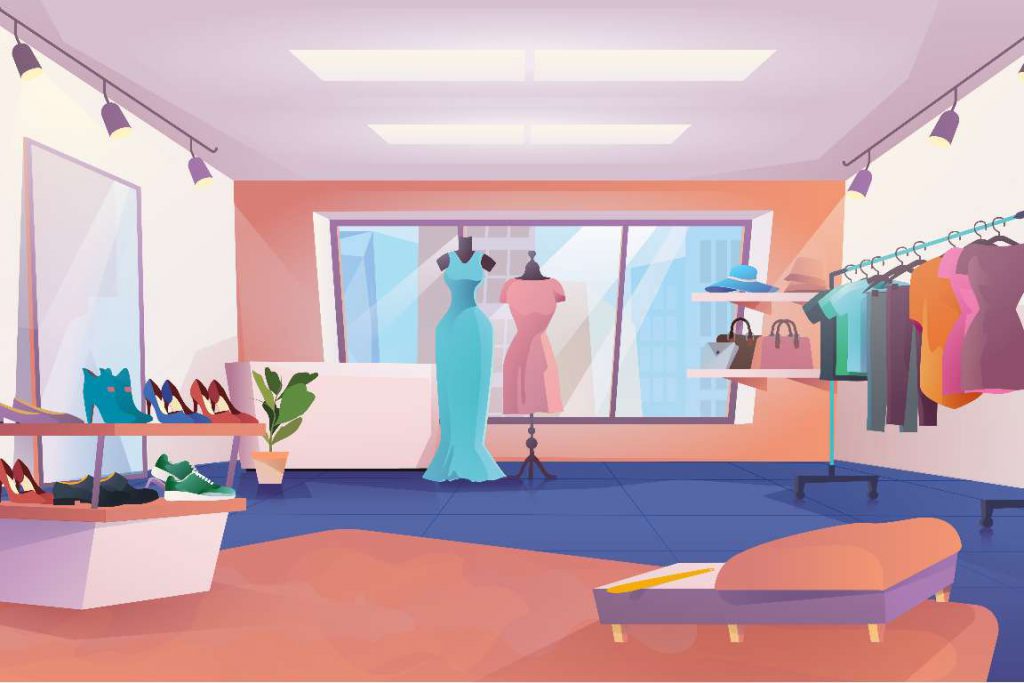
Also referred to as retail schematics or shelf-space plans, planograms are a tool that retailers use when planning their store layout, placing special emphasis on their point-of-sale (POS) locations and product placement. As one of today’s leading retail EPOS providers, Eurostop wanted to detail how a planogram can help streamline your processes and boost your bottom line. How are Planograms Used? Firstly, it’s important to understand precisely how planograms are used in the retail management process. Planograms are most often used by larger retailers with ample floor space and storage in their brick-and-mortar stores, however, even if you’re not a large franchise or big-box company you can still draw inspiration from them to help you organise your products and services. Some of the most important aspects of a planogram include showroom organisation, product packaging dimensions, product turnover, and shelving layout. There are six different types of planograms that you can take advantage of, such as: Product placement based on margins Product placement based on commercial status Product placement based on market share Vertical product placement Block product placement Horizontal product placement The right one for you will depend upon your needs, the layout of your retail stores and what you hope to accomplish with your planogram. What Are Some of the Benefits of Retail Planograms? When it comes to your retail stores, using planograms for management and planning purposes offers a host of benefits including: Maximising Your Space One of the foremost advantages of using planograms is that they help you get the most out of your valuable retail space. Ensuring your space is well-organised means that you’ll be running a cost-effective business and helping offset rental costs. Additionally, it enables more effective inventory control and management, as well as provides those that work with third-party vendors rules and guidelines for the space they’re allotted. Maximising Sales The main goal of any retailer is to find innovative ways to increase sales in an easy, efficient manner. Planograms enable you to do exactly that by providing key metrics for your sales and the success of your product display strategies. By implementing planograms over the long term, you can gain insight into what type of product placement works best for your customers and gets you the most returns. It enables the knowledge needed for strategic product placement, such as displaying more expensive items at eye level to attract the consumer’s attention. Planogram Compliance & Resets Before going any further and creating your own planogram, it’s important to understand what planogram compliance means, as well as what a planogram reset entails. The former is quite simple, it means sticking to the plan laid out by your planogram; the latter is when a retailer implements a new planogram that requires extensive layout and display changes. Creating Your Own Planogram There are several ways you can create your own planogram. The right one for you will depend upon your retail goals and the processes you already have in place. The three best ways to execute a successful planogram are to: Use Planogram Software: There is a variety of planogram software available for retailers that want to try their own approach to the process. Some offer free services limited by the number of products, and there are also paid planogram programs that provide more extensive solutions and are designed to be user-friendly and easy to implement. Consult with an Expert: There are many consultants that specialise in creating planograms for every type of retail establishment. For companies that don’t feel it’s necessary to hire an in-house planogrammer for their needs, hiring a third-party one can often provide great results and be more economical. Many employ tactics like behavioural research and buyer persona analysis to provide the best results. Hiring a Planogrammer: A dedicated planogrammer performs services specifically based on your sales goals and customer behaviour. They’ll be able to create a customised retail planogram specifically for your business and goals. Additionally, they’ll also have the insight and visual merchandising expertise to make your retail establishment a success. Key Components of Your Planogram There are some important things to include in a comprehensive planogram. You’ll also need to be able to read it properly if you didn’t create it yourself and instruct your staff on its execution. Firstly, your planogram should include dimensions for your entire store, such as shelves, aisles, and displays. Be precise about what type of display will be used for each section, whether it be slat walls, bins, or other fixtures. Additionally, your team should be aware of what products go where. You should be as detailed as possible and include everything from sizes, pricing, and packaging to shelving details. Always make sure that your team understands your planogram and how it can provide them with insight into how to best help the customers that visit your store. Contact Eurostop today for retail EPOS solutions, inventory control, and more When it comes to helping your retail establishment excel, Eurostop offers a host of tailored solutions for your needs. We provide inventory control solutions to manage your merchandise, mobile POS solutions, business insight and reporting software, and more. Our clients range from independent retailers to large companies with more than 12,000 locations, all around the world. Contact us today for a no-obligation demonstration or call +44 (0) 208 991 2700.