
Is TMS the answer to requests for Shopping Mall rent reductions?
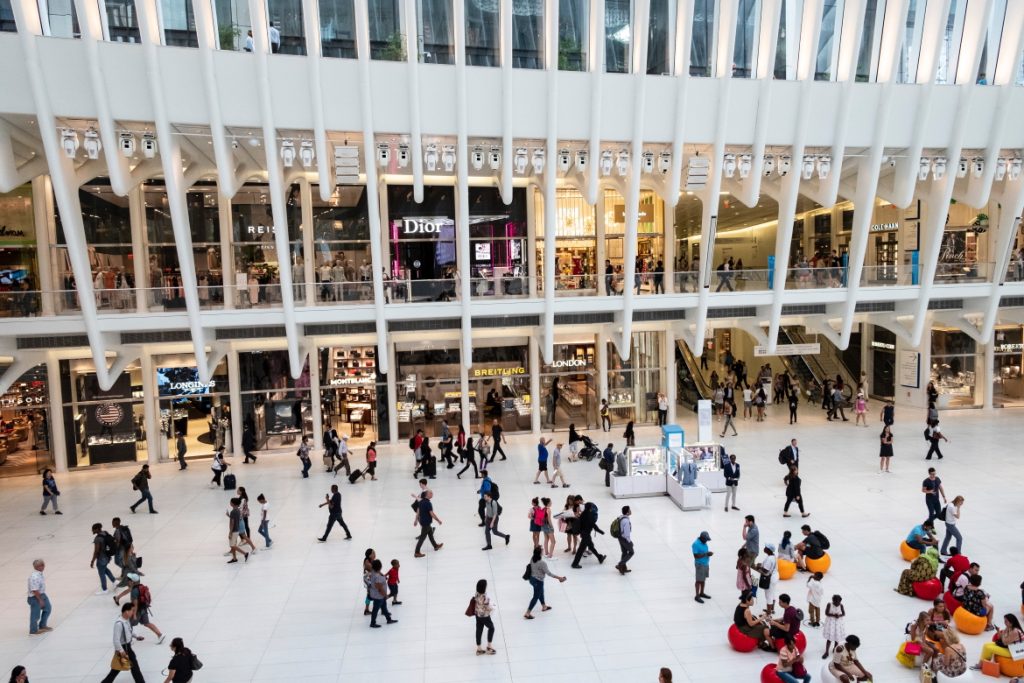
Requests for Rent reductions Retail needs to reinvent itself to stay relevant, and more to the point, to stay in business. While the death of traditional retail has long been predicted, at Eurostop we feel that bricks and mortar retailers still have a lot to give, and if the most recent headlines are to be believed so too do the latest generation of shoppers, millennial Shoppers are becoming more discerning and looking for a better experience and to be entertained, shopping after all is a leisure activity. One area that could really help stricken retailers is a reduction in rents. Recently we have seen a spate of high profile retailers such as Ann Summers, Clarks and Monsoon Accessorize asking for, and receiving, reductions in their rents. Landlords have traditionally set rents as part of multi-year contracts or leases, with very little option for flexibility, and over the years, many retailers have invoked a CVA or gone out of business as a result. TMS – a win/win solution While lower rents would be good for the retailers, they are not so good for the landlord. However, there is an alternative model – one that we at Eurostop have seen at first hand powered with a TMS (Tenant Management System), operating with great success throughout Asia. In the Far East where the mega-mall shopping culture is still ahead of the UK, landlords charge a smaller ‘rent’, plus a percentage of turnover. This results in a flexible rent option that adjusts proportionally if a retailer is doing well, encouraging sustainability for retailers in the mall. Those retailers that are highly successful generate more income for the landlord, and it is therefore in the landlords own best interest to ensure that they have a prime location within the mall. Lower rents + commission = a better deal for all This model could work very well in the UK where for some years now, there has been a trend towards out-of-town shopping malls. Consumers are attracted by more up market food halls, restaurants and bars, and often other leisure facilities such as cinemas and bowling alleys. Better decisions supported by sales and footfall Successful shopping malls offer a mix of high-profile anchor tenants to attract large numbers of customers together with plenty of fresh, new brands to keep the shoppers interested and coming back for more. A Tenant Management System (TMS) can help landlords to gather information such as sales and footfall data across all types of tenant, enabling them to make fact-based decisions. The data can show the location of sales so that landlords can identify the busiest, most profitable locations, and so allocate pitches accordingly. With a TMS they can also track information such as sales value by floor and retail sector. This enables the landlord to optimise the space and meet demand, by offering successful and sought-after brands premium positions within the mall. In addition, having an overall view of sales means that landlords can see the result of specific marketing campaigns, for example, a promotion to boost visitors on mid-weekdays that tend to be quieter. More detailed analysis shows whether footfall increased and if sales increased as a result. By combining a fixed price element to the rent, with a performance related element, shopping malls are able to offer rents that are manageable, even for start-up businesses, and benefit when those brands become more successful. In this way, it is in the landlord’s interest to help market the mall to attract visitors, and a successful retailer is happy to pay commission when sales are good, knowing that during quiet times the rent will be lower which helps with cash flow. For more information, find out more about our TMS solution.
Eurostop and IMCC Group announce TMS reseller partnership in Saudi Arabia

Eurostop are pleased to announce today a new partnership with IMCC Group as a reseller of our Tenant Management System, TMS in Saudi Arabia. The reseller agreement involves the distribution of Eurostop’s leading TMS in Saudi by IMCC, and will strengthen the worldwide distribution channels, with the deal bringing this leading retail solution to the Middle East. Eurostop’s TMS provides a robust solution for landlords to collect EPOS sales data and hence lease retail space based on a percentage gross turnover (GTO) model. This solution is provided as a fully hosted and serviced product and enables landlords to maximize leased space and is seen as particularly useful for the landscape in Saudi Arabia, where sophisticated mega malls are increasing their spread across the landscape. IMCC Group specializes in engineering & contracting, digital signage and software applications, and was launched to accommodate the increased demand in business services in Saudi Arabia. The strategic alliance will enable Shopping Malls and other revenue based leased properties to take advantage of Eurostop’s TMS in Saudi Arabia, supported by local and established expertise in the Middle East. Richard Loh, CEO of Eurostop said “The retail landscape in Saudi Arabia is developing at a rapid pace and is an exciting opportunity. We wanted a partner who could help us to deliver our technology to the region with a professional and quality approach – I am delighted to be working with Dr Abdulatef Halawani and his team.” To find out more about the Tenant Management System, and the business benefits it can provide, please visit our TMS page, or speak to a retail expert for further information. “We are very happy to have secured this partnership. Our focus will be to achieve the best results for our clients, implementing this innovative technology quickly and efficiently, driving maximum Return on Investment for the leaseholders.” Dr Abdulatef Halawani, CEO, IMCC Group
Looking to the Far East for a new approach to Shopping Mall management benefits consumers, landlords and tenants alike

In light of the recent mega-mergers in the retail property/shopping mall sector, and the move to a more experiential approach to attracting footfall, Phillip Moylan, Sales Manager at Eurostop explains how a partnership approach to managing retailers could yield benefits all round. At the end of 2017 we saw two large mergers in the retail sector. French company Unibail-Rodamco and its proposed acquisition of Australia’s Westfield Corporation, and the takeover of Intu by Hammerson, both UK based companies. Both deals are expected to bring new ideas particularly around evolving shopping malls into leisure destinations with cinemas, and more food and beverage outlets, as well as more flexible and vibrant retail space. The rise of the ‘supermall’ Industry pundits are underlining what we’ve all known for years, that fashion and footwear retailers are looking to the so called ‘supermalls’ to create large scale stores and moving away from town centres. Out-of-town shopping malls are switching their focus and are increasing their upmarket food halls, restaurants and bars, and looking for tie-ins with other leisure facilities such as cinemas and bowling alleys, as well as keeping a good mix of tenant retailers. But what is the right mix? We know that good malls need anchor tenants, those that attract large numbers of customers, and they also need to have a reasonable turnover of fresh, new brands to excite consumers and keep them coming back for more. However, without the anchor stores, or if occupancy dips too low, the mall is almost certainly destined to fail. So there is no doubt that attracting the right tenants is critical. Add to this the challenge of ensuring that high performing brands get a prime position to encourage visitors and subsequent sales, and landlords are looking at a very fine balancing act. Making sense of the data A Tenant Management System (TMS) helps landlords to gather the sales and footfall information they need to make fact-based decisions, to ensure that their assets perform and that their marketing is effective. Landlords are reliant on good data, however, without the appropriate technology that can be difficult to come by. With a good TMS landlords are able to track turnover by square foot, and see the percentage turnover by product, brand or retailer. In addition they can match footfall to turnover, retailer, product sales or brand. This enables the landlord to optimise the space, by offering successful and sought after brands premium positions within the mall, or possibly two positions in different locations. The information is collected via WiFi (so no cabling required) from the retailers’ EPOS systems. Alternatively, retailers can complete manual returns, which can be useful for po-up stores and the like. Lower rents, higher performance – a more vibrant mix In the Far East where the mega-mall shopping culture is arguably ten years ahead of the UK, rents are typically a mix of price per square footage, and a percentage of turnover/sales. This means that rents can be kept lower, encouraging new brands to the mall. Those brands that are highly successful generate more income for the landlord, and it is therefore in the landlords own best interest to ensure that they have a prime location within the mall. With the data that shows the location of sales, landlords can see the hotspots within the mall, and so allocate accordingly. Tracking marketing success Having an overall view of sales means that landlords can see the result of specific marketing campaigns. So for instance, a special offer designed to increase traffic on a quiet day of the week. Further analysis can show if visitors increased and whether the conversion rate to sales was maintained. This can be particularly useful when promoting complimentary leisure activities, or offers in the mall bars and restaurants. An example of a highly successful temporary store and promotion was in 2016, when technology company Samsung achieved 125,000 visitors in less than three weeks to their pop-up store in Westfield White City. Eurostop clients that are currently benefiting from the TMS include Frasers Centrepoint, Tanjong Pagar Centre (GuocoLand), Katong Square and SingPost, all in Singapore. By combining a fixed price element to the rent, with a performance related element, shopping mall owners are able to attract new, up and coming brands to help create a fresh and vibrant mix, while also earning more from the most successful tenants. A TMS enables landlords to collect the data required for this type of arrangement, and also delivers many more benefits in the overall management of the mall. Not only does the landlord win, but so too does the retailer, and ultimately, the customer.
Eurostop’s Tenant Management System as advertised in Retail Week (November 2017)

Richard Loh, CEO and Founder of Eurostop, talks about the product that has already had major traction in Asia; now being released in the UK and Europe. As advertised in the November issue of Retail Week Property Supplement. Eurostop’s Tenant Management System now available in the UK & Europe New turnover based rental model is designed to keep shopping centre space leased 2 months free trial available (available in the UK & Europe, terms and conditions apply) Our Tenant Management System, e-mall, is already in use by leading shopping mall operators in Asia such as SingPost, Tanjong Pagar, Frasers Centrepoint Malls and Gardens by the Bay. I’m pleased to let you know that it is also now available in the UK, offering a new way to manage your retail tenants and F&B tenants. It will allow you to optimise the way in which you lease your retail space. I think it’s a great time for shopping centre owners, or any owners of retail or F&B leased space to consider this model. With new digital channels, the physical space has still proven to be an equally important part of a brand experience, however economic uncertainty along with the changing retail landscape mean that landlords must also adapt to maintain footfall and lease occupancy. We have seen that retailers can struggle to keep up with the high annual rental lease options offered by shopping centres in the UK. It leaves them with limited cashflow and can mean that they have to reduce their physical footprint. This can leave landlords with empty space, which isn’t good for the shopping centre. Using a rental plus commission/turnover model, shopping centre owners can offer a more flexible partnership, so that their retailers can have more fluidity with day to day cashflow. I also encourage landlords using our Tenant Management System to take advantage of the live and on the go reporting available in our system. Being able to react to seasonal, daily and even hourly fluctuations, and retailer promotions means that they can use these valuable insights to see what is working and drive further footfall. I can also let you know that we are soon to release further reporting for tenants that will help the retailers to strategise as well. If a retailer is doing better, then ultimately, this benefits the shopping centre and keeps the space filled. Free 2 month trialWe are offering a free 2 month trial of the system in the UK and Europe. If you are interested or want to talk about the free trial, please get in contact with a member of my team.