
Treading carefully over the threshold into bricks and mortar
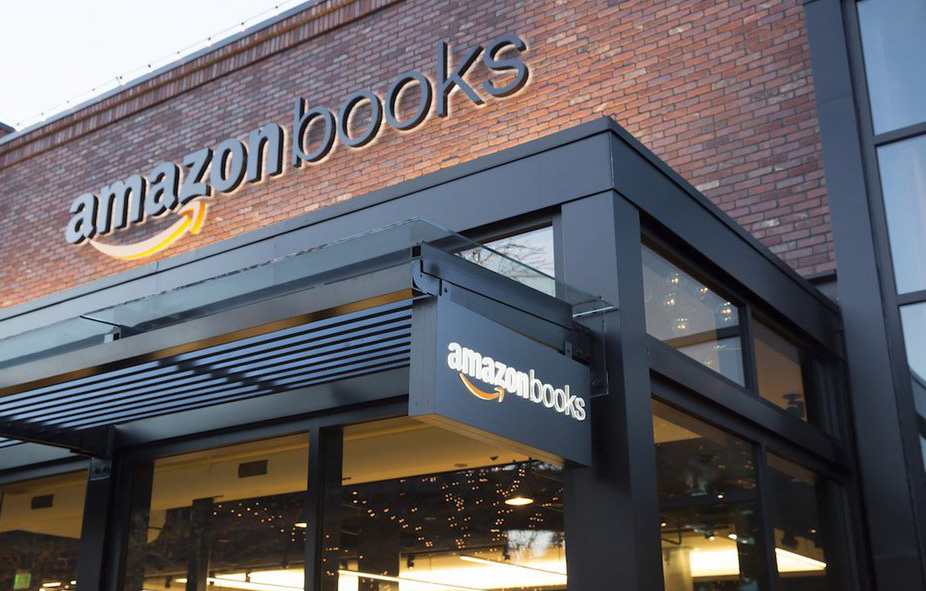
Many successful online retailers are expanding their business into bricks and mortar stores, using the opportunity to retain and upsell to loyal customers while attracting new devotees to their brand. Here are the key things a retailer should consider before stepping across the bricks & mortar threshold. Image sourced from Stephen Brashear/Getty Images The relentless rise and fall of online retailing The successful online retailers are those who realise both the importance of clear concise marketing messages and a product that is of good quality and desirable. The influence of social media – blogs, Instagram and Facebook – to attract new shoppers cannot be underestimated as the foundations of success for online retailers. Therefore it is vital for business success that fashion retailers ensure they harness these latest technology trends, to ensure that they proactively communicate with their customers. Ultimately retailers have to remember that the mantra “the right product, in the right place, at the right time” will always be fundamental to the business. Ultimately retailers have to remember that the mantra “the right product, in the right place, at the right time” will always be fundamental to the business. However, the retail market is changing, and we are seeing a merging of online and bricks & mortar. The latest trend for online retailers is to expand their presence onto the high street or shopping mall. A changing landscape While the number of transactions on online products is still rising, the market has become very crowded. The costs associated with online retailing have been steadily increasing. The design and navigation of a website needs be attractive (particularly in the fashion and accessories industry), easy to use and regularly refreshed, in order to attract revisits. In addition, companies are now spending considerable amounts on marketing online to attract visitors, and with the larger companies competing for the same customers, the costs to promote keywords for search engines have increased. A considerable investment in systems is necessary to ensure accurate order fulfilment, and they need to be scalable to allow for future expansion. All of these costs can have a massive impact on a retailer’s bottom line and profit margins. We are also seeing a shift in customer attitudes. Certain functional products will always be sold purely on price, however, with fashion and high value jewellery items there is a marked difference in the buying decision. Of course, price is still important, but design and brand are also key factors in choice. Customer loyalty becomes a sophisticated mix of factors and preferences derived from a particular demographic, defined by age, sex, work, lifestyle – even geographical area – which the canny retailer will have defined in their customer profile in their CRM system. Why bricks and mortar makes sense Increasingly shoppers demand a customer experience as part of their brand expectations and loyalty. It has been claimed that Millennials in particular are brand conscious and moving towards ‘experience shopping’. Online businesses are very good at tracking customer purchases and trends and using this information they can quickly identify the best location, which products to sell – even where to promote the new store. The result – online retailers investing in high street stores, premium spaces in out of town shopping centres or designer outlets, to enable customers to try before purchasing. The latter also provides a channel for retailers to sell additional products that sell better instore rather than online. Starting with a particular geographical area where the online purchases highlight a significant customer base, an online retailer can enjoy immediate success with a new store opening. The physical store establishes or enhances the brand and provides the customer with the all-important tactile experience when purchasing new products. Enabling customers to try before they buy can reduce the number of returns. If successful, a retailer might then decide to open more stores in different areas, near to where other customers live, to meet demand. Taking the first steps Accepting that the move to bricks and mortar is both a necessity and complementary with the online business, there are a few things to consider before branching out; With multiple outlets it’s important to have good retail systems that provide visibility of stock. A central connected system that can track whether stock is in the warehouse, in different stores or even in transit, is invaluable for meeting customer demand and forecasting sales. Being able to access stock records can help staff to provide a better customer service in store. The location of stores is important – is there easy access by car or good transport links, what are the opening hours or other facilities on offer? What sort of retailers do you want as neighbours? Located next to competitors may bring new customers, in the same way you may not want a high street location alongside stores completely different from your business. Destination retailers with a strong brand identity may wish to have a second store, while an outlet clearance store is useful to sell heavily discounted items that have been returned or damaged. A careful balance needs to be achieved between the store and online prices. While an online business relies on fast turnover and a refresh of stock, customers may only visit stores every few months and so items may be kept longer. A retailer needs to be careful to remain competitive while not eating into their store margins or devaluing the brand. Although online costs have increased, a bricks and mortar store is not a cheap alternative and requires a different cost model. Staff working hours may need to be longer to fit in with other stores close by and the cost of local marketing such as billboards and local press used to establish presence needs to be factored in. Renting premises may require a longer term financial commitment dependent on the leases available. Some leases may also specify fixed terms and notice periods, important for cost forecasts. Not only is location important, but also the physical space that
Is Bricks and Mortar in Terminal Decline?
Recently I read this blog about how bricks and mortar retail is in decline. There are some persuasive statistics to back up the byline, but personally I can’t help but feel excited about the potential of what is to come in physical retail spaces, if only retailers can get it right. Digital disruption need not spell the end for bricks and mortar stores. Instead focusing on changing consumer expectation, behavior and needs for a new generation could re-imagine a whole new retail environment, where digital needs to be embraced. ‘Omnichannel ‘ is the buzzword of today, but surely the utopia is where there are no longer perceived ‘channels’ but the physical and digital merge so that all retail touchpoints are one of many on–demand interactions with the brand? The Professor professes to a lack of customer service in traditional stores, and I have to say that as a consumer I do often find this to be true, but why not use digital technology to assist and differentiate, rather than shut them down? why not use digital technology to assist and differentiate, rather than shut them down? As Millennials, also known as Digital Natives or Generation Me, enter their prime spending years,it seems clear that they will drive a ‘Customer centric’ approach to products and services. Surprisingly, the physical store continues to be important in their journey to purchase, they just expect more out of the experience. Retailers need to get to know their new friends, who are described amongst other things, as tech-savvy, impatient, demanding and social. By adapting the in-store experience to suit the wants and needs of the new generation, those retailers will make sure that they stand tall above the rest. The physical store continues to be important in their journey to purchase, they just expect more out of the experience. On the high street there are stories of retailers succumbing to current pressures, but turn right, and you will see shining examples of those who are evolving and changing the status quo with a new level of technology and services. Online retail certainly has choice, convenience and value for money on its side, but shouldn’t retailers build on the unique value proposition of the high street as part of its offering? Better in store customer experiences I stand in awe at the retail giant that is Apple. Their minimalist stores are always packed, and yet upon purchase of one of their items in store, I come away impressed with the service and thought that they have put into the ‘Apple experience’. As I browse and test out the latest devices that are conveniently Wifi connected (I can indeed participate in the worrying trend of ‘showrooming’, or simply check out some online reviews), I can’t help but notice another customer, who has been bought an Apple Watch by her husband as a birthday present. She is not rushed to complete the transaction (by mobile payment, while seated at a bench), but is then offered help in setting up her new purchase. Surely this goes against the grain of serving more customers in less time? I imagine that she will return home excited and show her newly ‘connected’ watch and experience with her friends – the best type of brand ambassador. Embrace the physical space The pure play etailer Missguided has recently opened 2 new stores in the UK. The visual experience in store doesn’t disappoint and is a 3-D extension of their brand persona, brought to life in the physical realm. No longer is a shop just a shop, but an inspiring and entertaining place to be, and you want to go back for more – pop culture language is inherent in all the décor, and talk of unicorns just takes you to a fun place where you might hang out with friends – which they hope you will be. The constant and live stream of fashion inspiration on the immersive digital displays brings the digital and physical world together. It seems like the investment in store design paid off. This online success story now has a place you can visit, why wouldn’t you want to hang out and share on social media? Get to know them There are many other examples of brands that are building relationships with us. In an age where we are no longer limited by geographical boundaries, consumers have endless choice and information at the touch of a screen. Retailers really need to be on the ball in nurturing personalized and engaging relationships with their brand. With a wealth of digital analytics and data available, by implementing the right tools and technology, retailers can get insights into the preferences of their customers and adjust their marketing and promotions accordingly. For example notifying customers of offers that they are likely to be interested in, based on past shopping history. These promotions have to be seamless across physical and digital ‘boundaries’, because the consumer of today expects nothing less. Understand your customers, not only how they like to shop, but their lifestyles and the communities that they live their lives in. Convenience is key and retailers need to determine the preferences of their demographic. For example, if their customer base has a large mobile following who engages on social, they need to make sure that they have a slick mobile app with built in social sharing to the right platforms. Understand your customers, not only how they like to shop, but their lifestyles and the communities that they live their lives in. Right here, right now Millennials have grown up with smart phones. This hyper connected generation always has their devices on hand – accustomed to getting what they want, when they want. This urgency also applies to expectations for services in store. This hyper connected generation always has their devices on hand – accustomed to getting what they want, when they want. Certainly from a personal point of view, I have walked back out of a store, if I see that there