

 Skip to content

Sustainable Retail Tech Solutions for a Greener Future

In retail today, success is no longer measured solely by profit margins but also by environmental impact. As consumers increasingly favour brands that align with their values, sustainable retail solutions have moved from “nice to have” to a strategic necessity. At Eurostop, we understand that technology plays a key role in driving this change. By implementing the right systems, retailers can reduce their carbon footprint while simultaneously improving their operational efficiency. What is Sustainable Retail Tech? Sustainable retail technology refers to digital tools and hardware designed to lower the environmental impact of commerce. This includes everything from energy-efficient hardware in physical stores to sophisticated backend software that manages inventory levels and smart fulfilment to reduce carbon footprint. The goal is to help retailers use resources more efficiently and reduce unnecessary waste across their operations. In practice, this means operating in the most efficient manner and using data to make better decisions. When a retailer knows exactly what they have in stock and where it is, they avoid the overproduction and transport waste that plagues the traditional retail model. Optimising the Supply Chain for Planet and Profit Supply chains are often the largest source of carbon emissions in the retail sector. Technology allows businesses to gain full visibility into their logistics, identifying inefficiencies that would otherwise go unnoticed. By using advanced inventory control systems, retailers can consolidate shipments and choose the most efficient routes for delivery. This reduces the number of vehicles on the road and lowers fuel consumption. Local fulfilment strategies, where online orders are shipped from the nearest physical store rather than a central warehouse, help reduce the “last-mile” carbon footprint. Reducing Waste Through Data Accuracy Waste in retail often stems from guesswork. Whether it is unsold seasonal clothing or perishable goods, overstocking leads directly to landfills. Sustainable retail tech solves this by providing real-time data accuracy. When your systems provide a comprehensive overview of stock levels, you can implement: Precision Forecasting: Predicting demand more accurately to prevent over-ordering. Smart Markdowns: Identifying slow-moving items early to ensure they are sold rather than discarded. Digital Receipts: Eliminating paper waste at the point of sale. Barcode Tracking: Improving stock visibility and helping retailers reduce unnecessary safety stock. Practical Examples of Green Tech in Action Many retailers are already seeing the benefits of going green through technology. For instance, some fashion brands use virtual fitting rooms to reduce the high volume of returns, which are a major contributor to transport emissions. Others have switched to cloud-based retail platforms. Moving servers to the cloud often reduces energy consumption compared to maintaining on-premise hardware. Some retailers are also exploring resale and recommerce initiatives to extend product lifecycles and reduce waste. Business Benefits of Sustainable Retail Solutions Sustainability is not just a moral choice; it makes financial sense. Efficiency and sustainability often go hand in hand. By reducing waste, you lower your costs. By optimising your supply chain, you spend less on logistics. Beyond the balance sheet, there is the factor of brand reputation. Modern shoppers, particularly Gen Z and Millennials, actively seek out retailers with transparent, green credentials. Embracing sustainable retail solutions helps you build long-term trust, ensuring your business remains competitive in an evolving market. Contact Eurostop for Sustainable Retail Solutions Today At Eurostop, we provide the tools you need to build a more sustainable and profitable future. Our retail management software is designed to give you total control over your current stock position, helping you eliminate waste and streamline your operations. If you are ready to modernise your retail operations and reduce your environmental impact, our team is here to help. Contact us today for a no-obligation demonstration or call +44 (0) 208 991 2700.
Connected Retail Solutions: How Unified Systems Drive Modern Retail Success
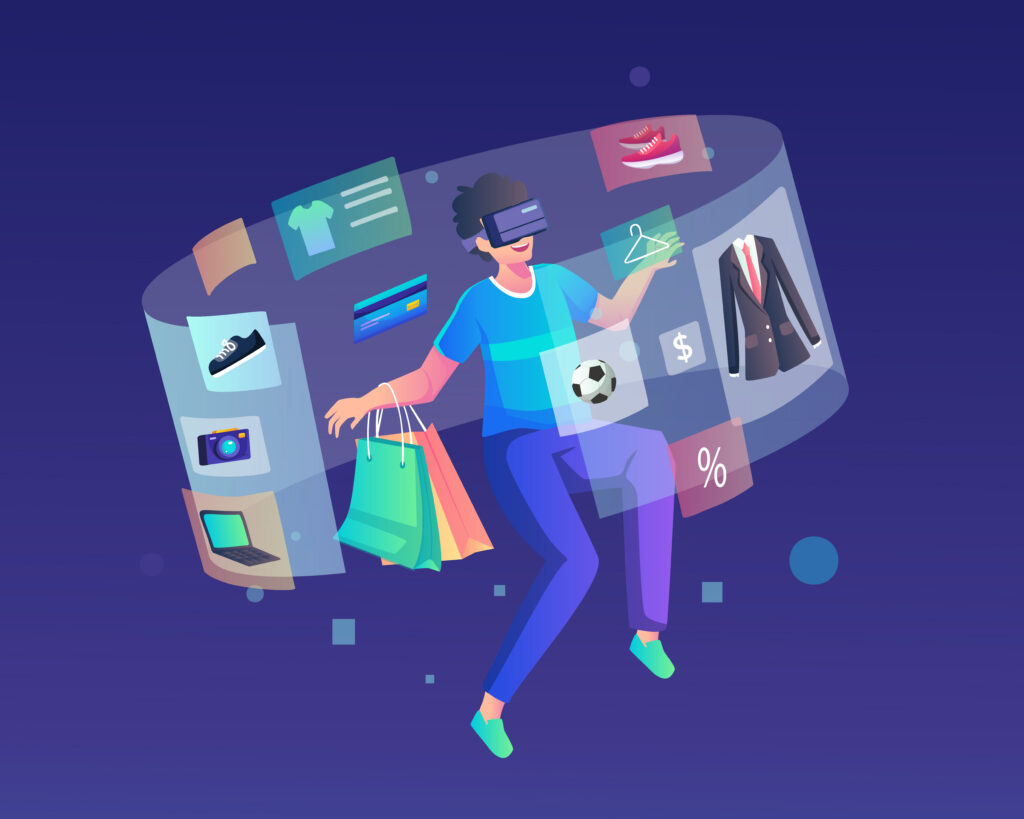
Today, shoppers navigate a complex web of physical and digital touchpoints. For retailers to thrive in this environment, fragmented systems are no longer enough. The solution lies in connected retail solutions: a strategic approach that binds every part of a business into a single, cohesive ecosystem. Understanding Connected Retail Solutions Connected retail refers to the use of technology to enhance in store interactions, providing a more immersive experience. The Internet of Things (IoT) is key to achieving this scenario, which also has the added benefit of improving operational efficiency in store. The seamless integration of a retailer’s backend operations with all types of selling channel and the frontend customer experience is essential for modern retail. A single centralised and connected architecture is referred to as unified commerce. It is not just about having an online store and a physical shop; it is about ensuring those two worlds communicate in real time to provide a consistent and omnichannel customer experience. When a system is truly unified, data flows instantly between inventory management, point of sale (POS), e-commerce platforms, and logistics. This connectivity eliminates the silos that often lead to stock, price and promotion discrepancies, lost sales, and frustrated customers. It creates a foundation where the business operates as one intelligent organism rather than a collection of separate departments. The Technological Engine: AI and IoT Modern connectivity is powered by sophisticated technology. The Internet of Things (IoT) and Artificial Intelligence (AI) are the primary drivers of this transformation. IoT devices, such as smart shelves and RFID tags, provide live inventory control of every item in a warehouse or on a showroom floor. This hardware feeds data directly into unified software, giving retailers real-time visibility into their stock levels. AI takes this data further by analysing patterns. It can predict or forecast when a specific product will run out or identify shifts in consumer buying habits. Instead of reacting to trends after they happen, retailers using connected solutions can anticipate them, ensuring the right products are always in the right place at the right time. How Unified Retail Systems Improve In-Store Engagement While online shopping is convenient, the physical store remains a vital hub for brand experience. Connected retail solutions bridge the gap between digital ease and physical interaction. When staff have access to flexible POS devices linked to a central system, they can assist customers anywhere on the floor. They can check stock across the entire branch network or order an out-of-stock item for home delivery right from the palm of their hand. This “endless aisle” capability ensures that a customer never leaves empty-handed simply because a specific size or colour wasn’t on the shelf. Modern consumers expect a seamless omnichannel experience. Whether shopping online, browsing through a mobile app, or visiting a physical store, customers expect consistent pricing, promotions, and inventory visibility across every touchpoint. Connected retail solutions deliver this consistency by synchronising data in real time across all channels. Data-Driven Retail Decisions with Connected Commerce In a disconnected business, managers often rely on guesswork, manually generated data or outdated weekly reports. Connected systems provide a single version of the truth. By centralising data from every channel, retailers gain a clear and actionable view of their performance. Current Stock Position Accuracy: Reduce overstocking, stockouts and markdowns by knowing exactly what is selling. Customer Insights: Track preferences across channels to create personalised marketing. Operational Efficiency: Automate manual tasks like stock replenishment and price updates. Unified Reporting: Access real-time analytics to make fast, informed business pivots. Benefits for the Modern Ecosystem The transition to connected retail solutions offers a dual advantage. For the retailer, it means lower operational costs through reduced manual errors, minimised waste from overstocking, and higher margins through better stock turn and markdown reduction. For the customer, it means a frictionless journey. Whether they buy online and pick up in-store (BOPIS) or browse in-person and buy later via an app, the experience remains consistent and reliable, backed by accurate real-time stock information across all channels. Contact Eurostop for Connected Retail Solutions Today In a competitive market, connectivity is the difference between surviving and leading. Eurostop provides the tools necessary to unify your operations, from robust POS systems to advanced inventory management and e-commerce integration. Our mission is to help retailers simplify their processes while maximising their global reach. Ready to transform your retail operations? Contact us today for a no-obligation demonstration or call +44 (0) 208 991 2700.
Strengthening Retail Security: 5 Crucial Retail Management Techniques
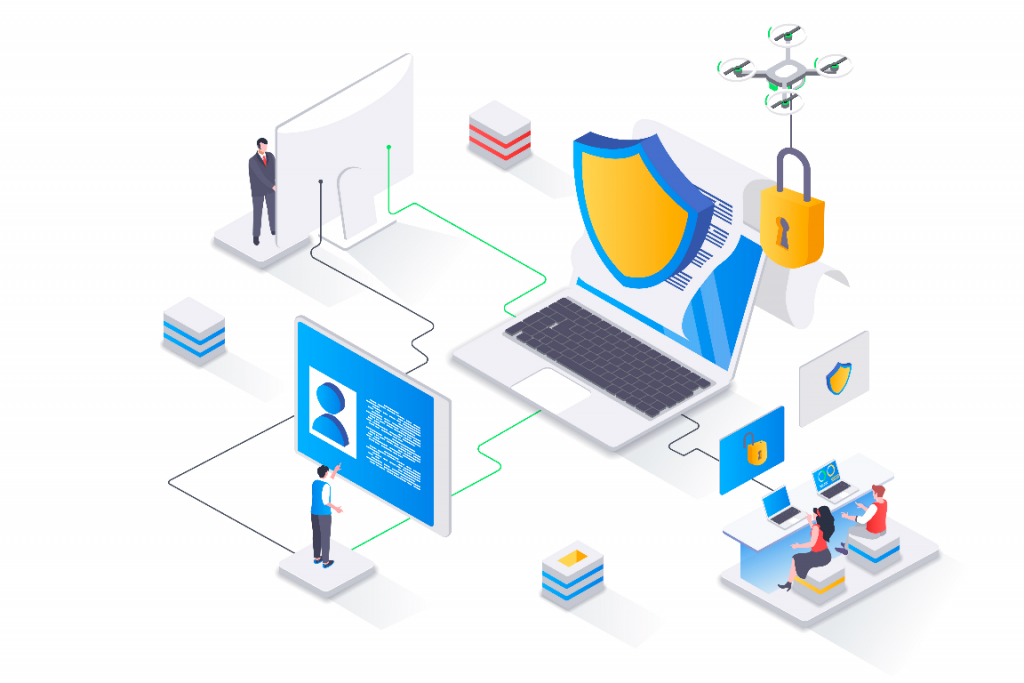
Retail businesses are currently facing an ever-evolving array of cybersecurity threats which are unfortunately becoming more common and frequent. From data breaches to phishing scams, the risks are always evolving but with the right retail management solutions in place, retailers can significantly reduce their vulnerability to cyberattacks and safeguard their operations. That’s why the team from Eurostop, one of today’s leading secure retail systems experts, discusses how it employs and recommends 5 crucial techniques for retailers to enhance security and protect against cyber threats. 1. Stay Updated on the Latest Threats Cyber threats are constantly evolving, making it essential for retailers to stay informed about the latest attack tactics. By staying up-to-date, for example by regularly monitoring industry news and following cybersecurity experts on social media, businesses can stay ahead of emerging threats and adapt their security measures accordingly. 2. Provide Employee Security Training One of the leading causes of data breaches in the retail sector is, unfortunately, employee negligence. By ensuring all retail staff members undergo adequate and regular security awareness training, retailers can empower their workforce to recognise and respond to potential threats quickly and effectively thereby protecting your company and its data. Training should include information about common cyberattack tactics, industry-specific risks and practical exercises such as phishing simulations. With tighter regulatory controls on protecting personal data and the potential legal ramifications of not doing so, not to mention the disruption that loss of access to systems and data can have on your business and customers, it is certainly worth the investment. 3. Maintain PCI Compliance For retailers that process credit card transactions, maintaining compliance with the Payment Card Industry Data Security Standard (PCI DSS) is essential. PCI compliance helps ensure that businesses adhere to best practices for protecting cardholder data and reducing the risk of data breaches. By implementing security controls and retail management solutions such as encryption, access controls, and frequent security testing, businesses can enhance the security of their payment processing systems and strengthen their commitment to protecting consumer data. 4. Implement Email Security Solutions Implementing advanced email security solutions can help businesses defend against phishing scams, malware, and other email-based threats. Modern email security solutions use advanced threat detection techniques, machine learning, and artificial intelligence to identify and block malicious emails before they reach employees’ inboxes. By filtering out this malicious content and preventing employees from falling victim to email-based attacks, businesses can significantly reduce their risk of data breaches and financial losses. It should be noted that employee training also plays a part here. For example, phishing email filtering systems work to identify emails that may contain a link or attachment containing malware that can be used to hack your network. But they typically transfer flagged emails to another inbox. Here, emails are placed on hold until the user releases, blocks or allows it. It’s important that a user is able to recognise a potential phishing email and does not click on any links or attachments. 5. Develop an Incident Response Plan Perhaps the most important point is to have a backup plan. Despite the best efforts to prevent cyber incidents, breaches can still occur so having a robust incident response plan in place is essential for minimising the impact of such a scenario so that you can get back up and running as quickly as possible. An incident response plan should outline procedures for identifying, containing, and mitigating security breaches and protocols for notifying stakeholders and the relevant authorities within the required timescales. By establishing clear roles and responsibilities and conducting regular drills and exercises, businesses can ensure they are well-prepared to respond to any security incident. With the many potential cyber threats facing retailers today, if you have opted to host your system on premise, it is crucial to ensure that you have a backup system in operation. Eurostop also offers managed services where we take care of the backups for you. As well as consistently taking regular and adequate backups of your data, a working recovery strategy must be in place. This should be integral to your Incident Response Plan. With Eurostop’s managed services for example, in the case of data corruption, loss or destruction, your backups can be used to restore your system to its state before it was compromised. This will enable you to re-establish operations seamlessly without the massive disruption to business which could be expected if there were no backups available. This should be considered as a ‘must have’ on your checklist of features when searching for a vendor as not all retail system suppliers regularly back up your data. Contact us today for retail management solutions and more Implementing effective retail management solutions is crucial for protecting retailers against cybersecurity threats. By prioritising security awareness training, , maintaining PCI compliance, creating an incident response plan and most importantly ensuring you are using a partner that regularly backs up your data, businesses can strengthen their defences and safeguard their operations against cyberattacks. For today’s leading retail stock control, mPOS solutions, and other services contact us online today or call +44 (0) 208 991 2700 to speak to a retail expert.